Just Bare Foods
Love Just Bare ? Leave us a review!

The Fall Flavor Forecast

Explore Fall Favorites

More Bang for Your Bite: Why Protein is the Meat of the GLP-1 Conversation

This Isn’t Your Mother’s Weight Loss 

Why Registered Dietitians Love Protein

You Gotta Get a Protein Hack

Quality Cuts, Not Short Cuts

High Protein, Low Friction

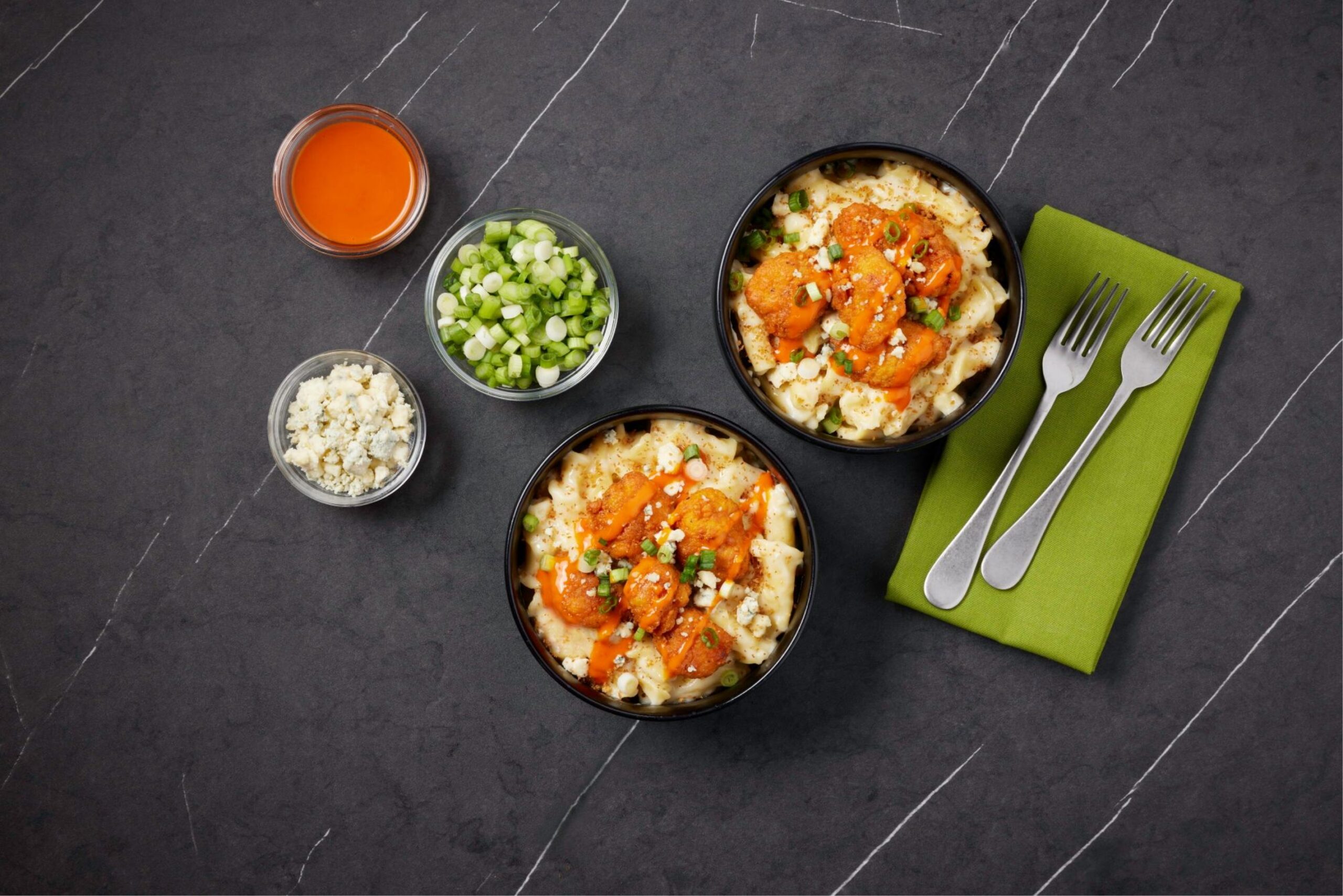
Nashville Hot Chicken Pizza 

Weeknight Burrito Bowls

Pesto Chicken

It’s Not Complicated

Chicken Labels Explained

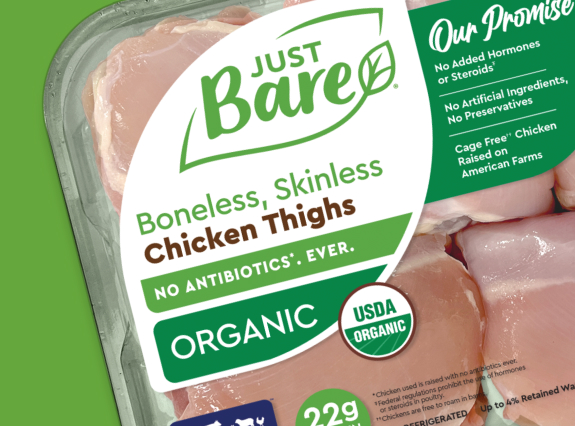
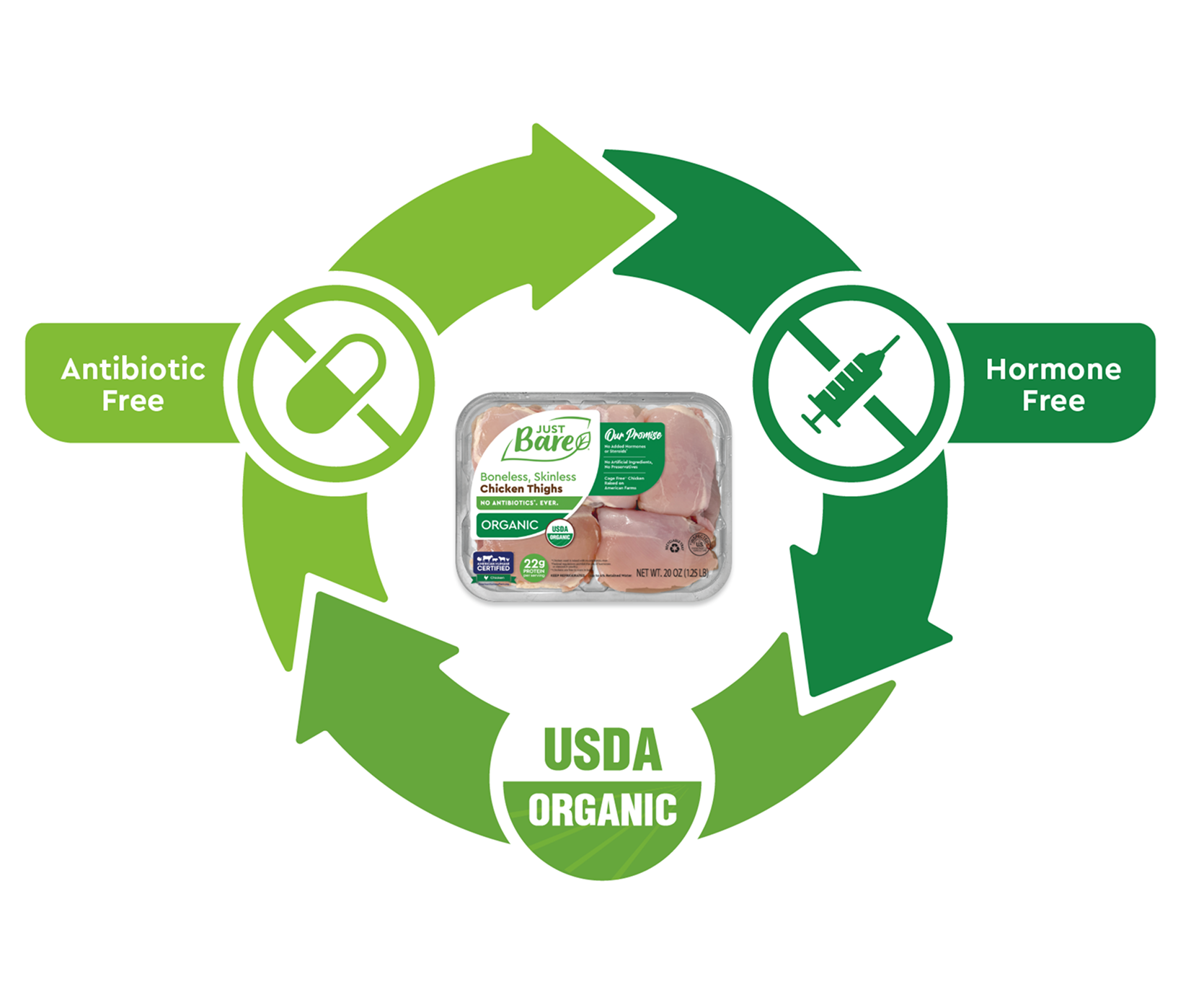
What Antibiotic-Free, Organic & Hormone-Free Really Mean

Why Chicken Label Claims Matter

What Does “Antibiotic Free” 
Mean on Chicken?

Why It Matters

An Important Fact Many People Don’t Know

What to Look For

What Does USDA Organic Mean for Chicken?

What is Organic Chicken?

  • Fed 100% certified organic feed
  • Raised without antibiotics
  • Raised without growth-promoting drugs
  • Given feed free from GMOs, synthetic pesticides, and animal byproducts
  • Provided access to the outdoors
  • Raised under strict USDA standards governing feed, farming practices, and animal care

Why Organic Means More Than One Label

Organic vs. Natural

Is Organic Chicken Worth the Cost?

Is All Chicken Added Hormone Free?

Are Hormones Allowed in Chicken?

Why Do Brands Still Include the Claim?

Which Chicken Label is the Most Meaningful?

Read Chicken Labels with Confidence

Frequently Asked Questions

Chicken Cuts Explained

How to Choose the Right Cut for Every Meal
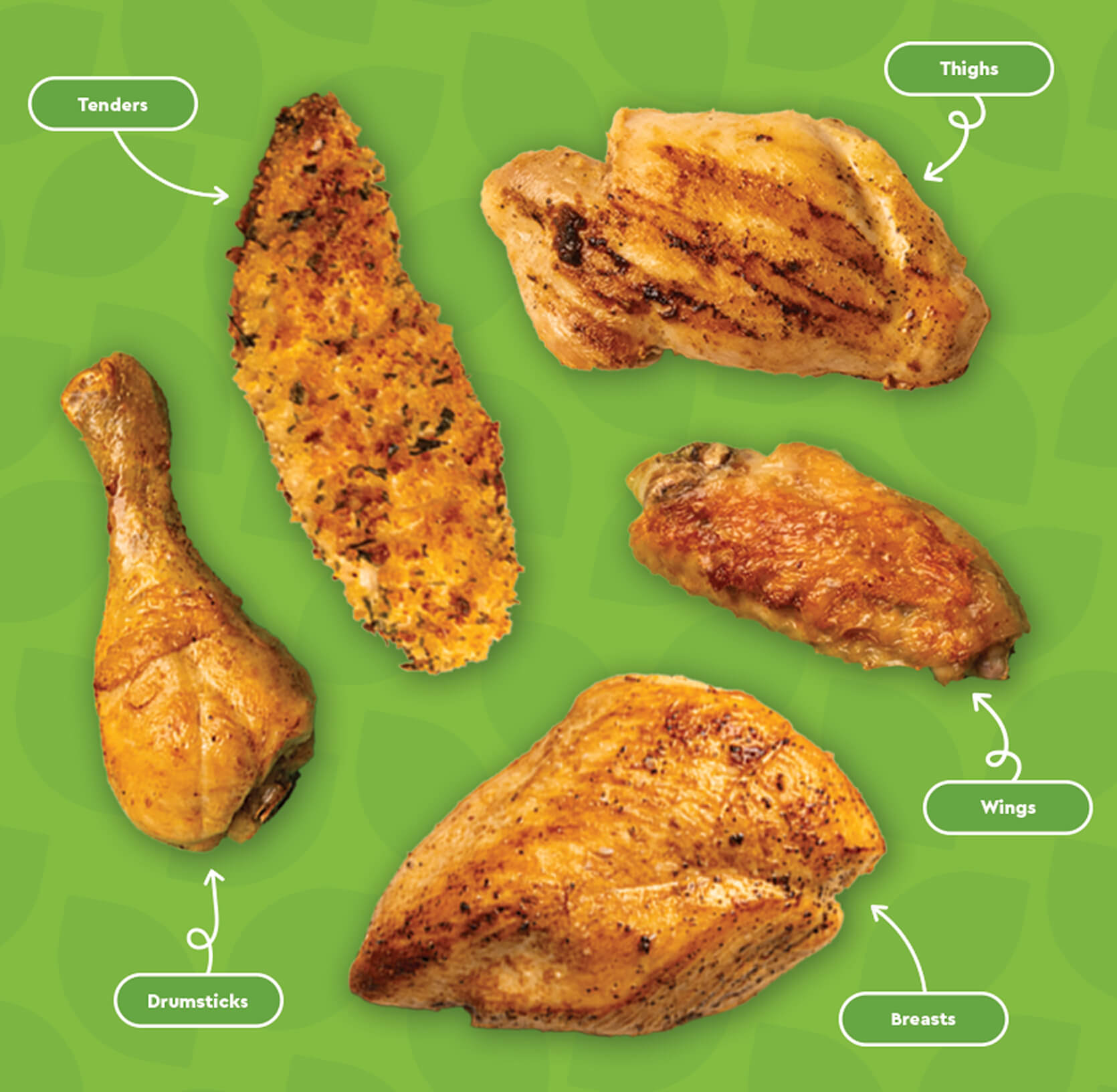
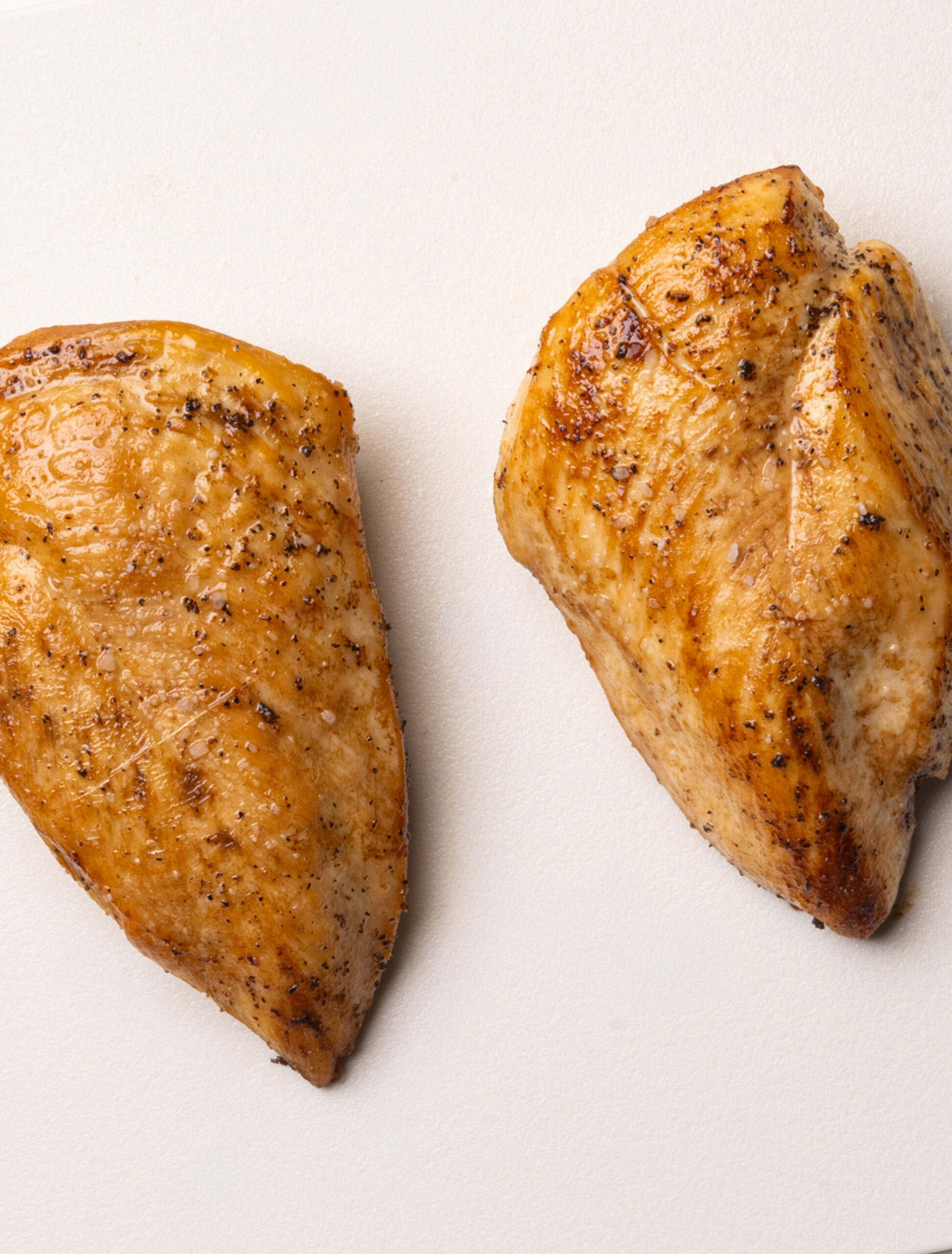
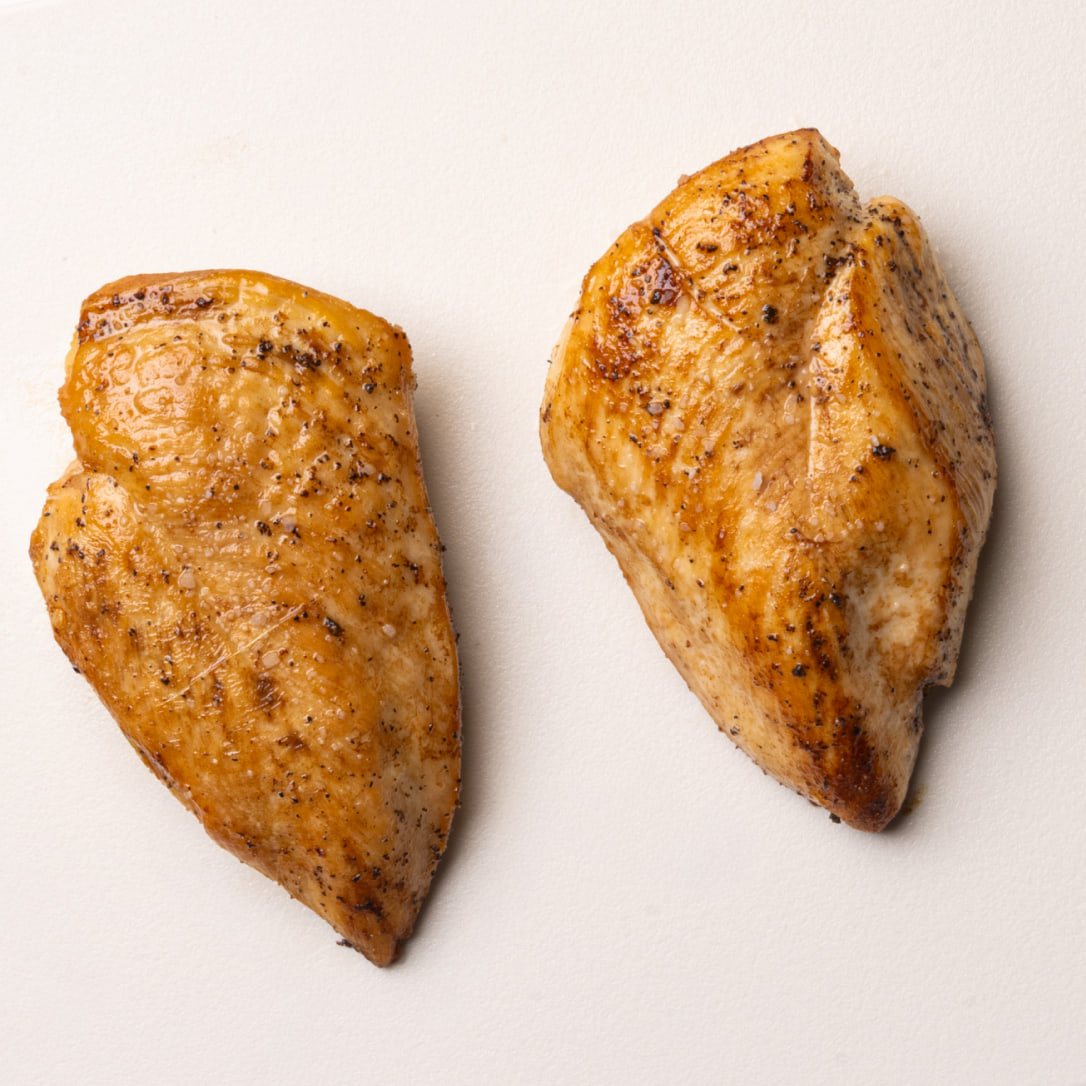
  • Chicken breasts: lean, versatile, and ideal for meal prep, salads, sandwiches, and healthy weeknight meals.
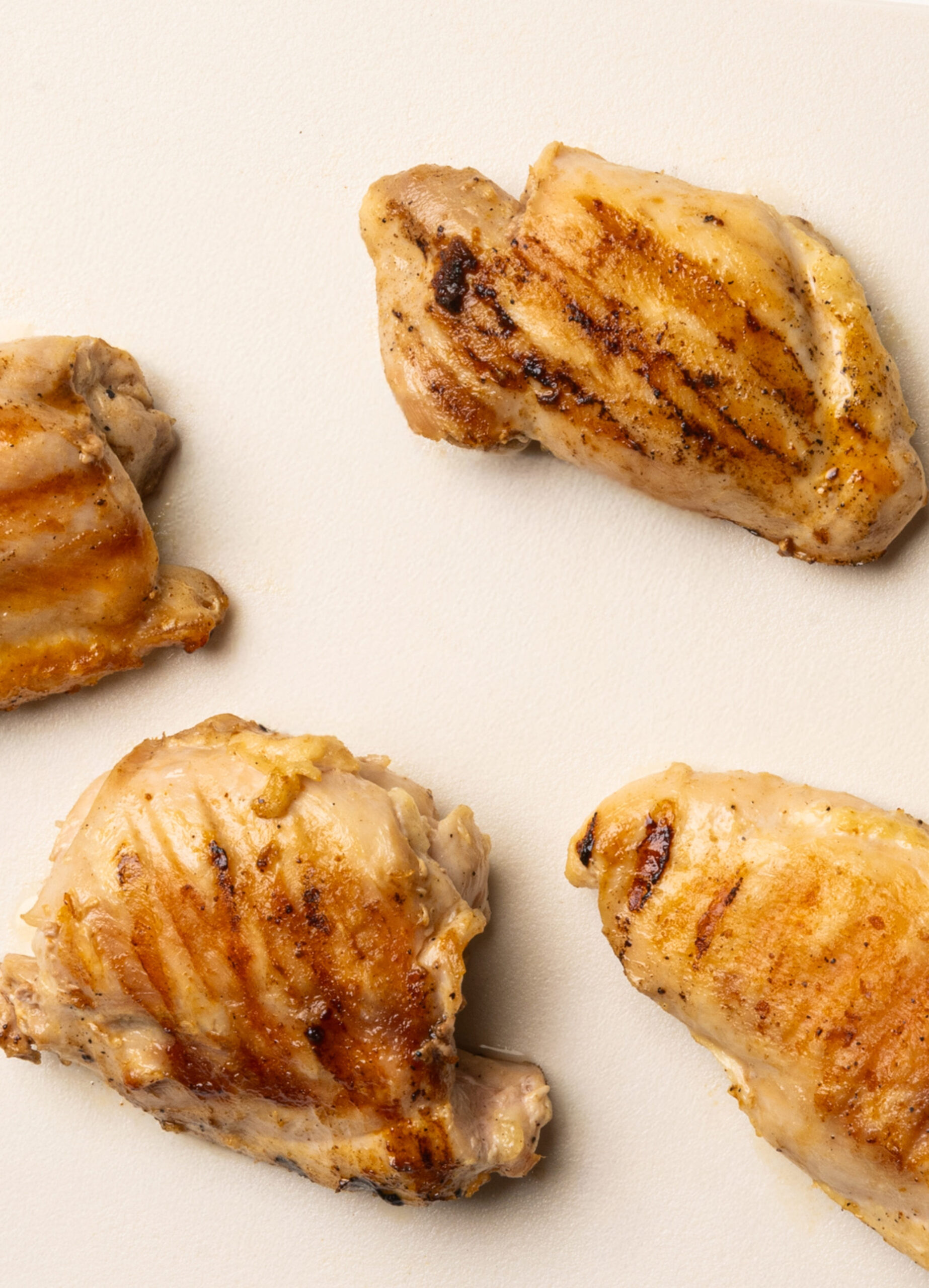
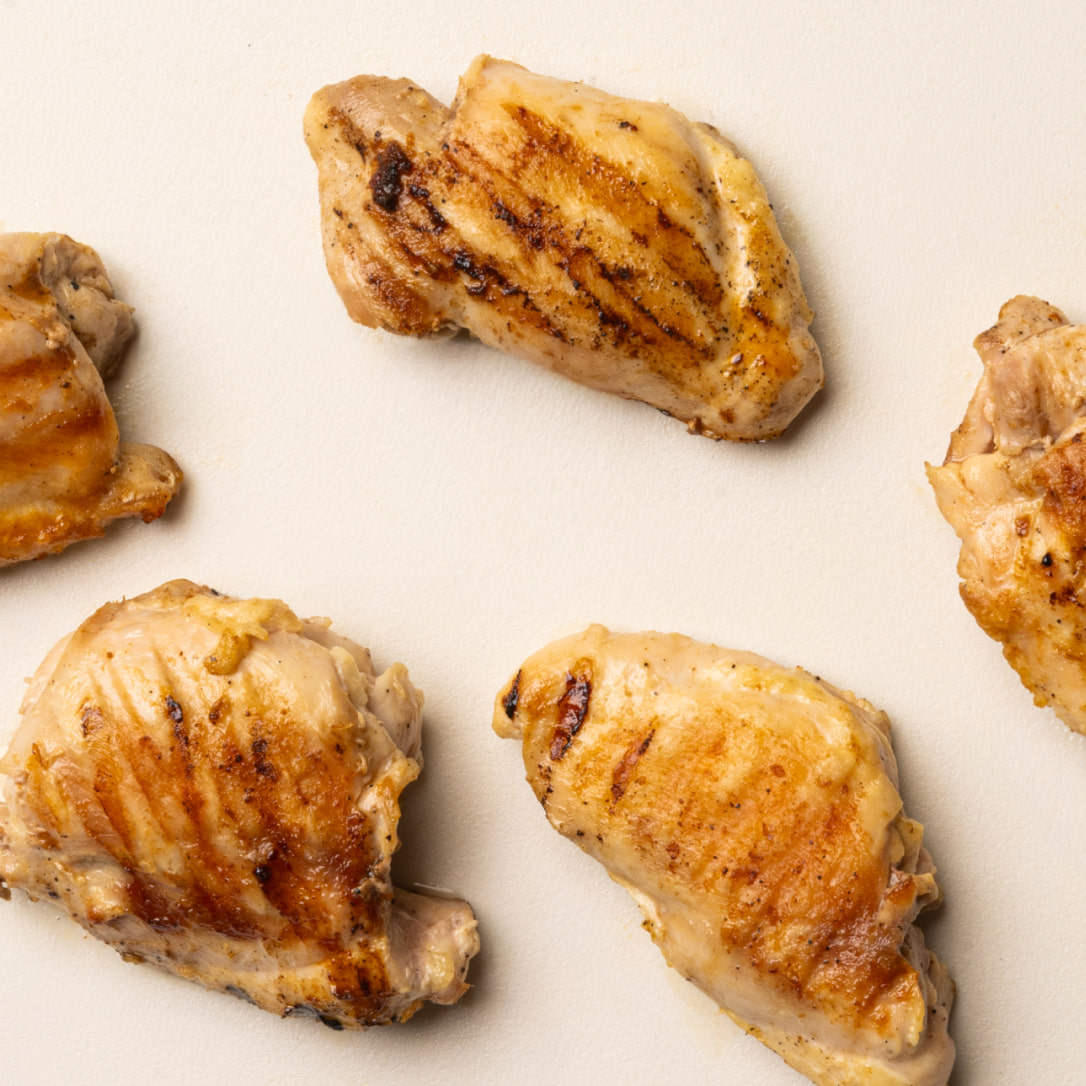
  • Chicken thighs: rich, juicy, and forgiving. Perfect for grilling, roasting, braising, and bold flavors.
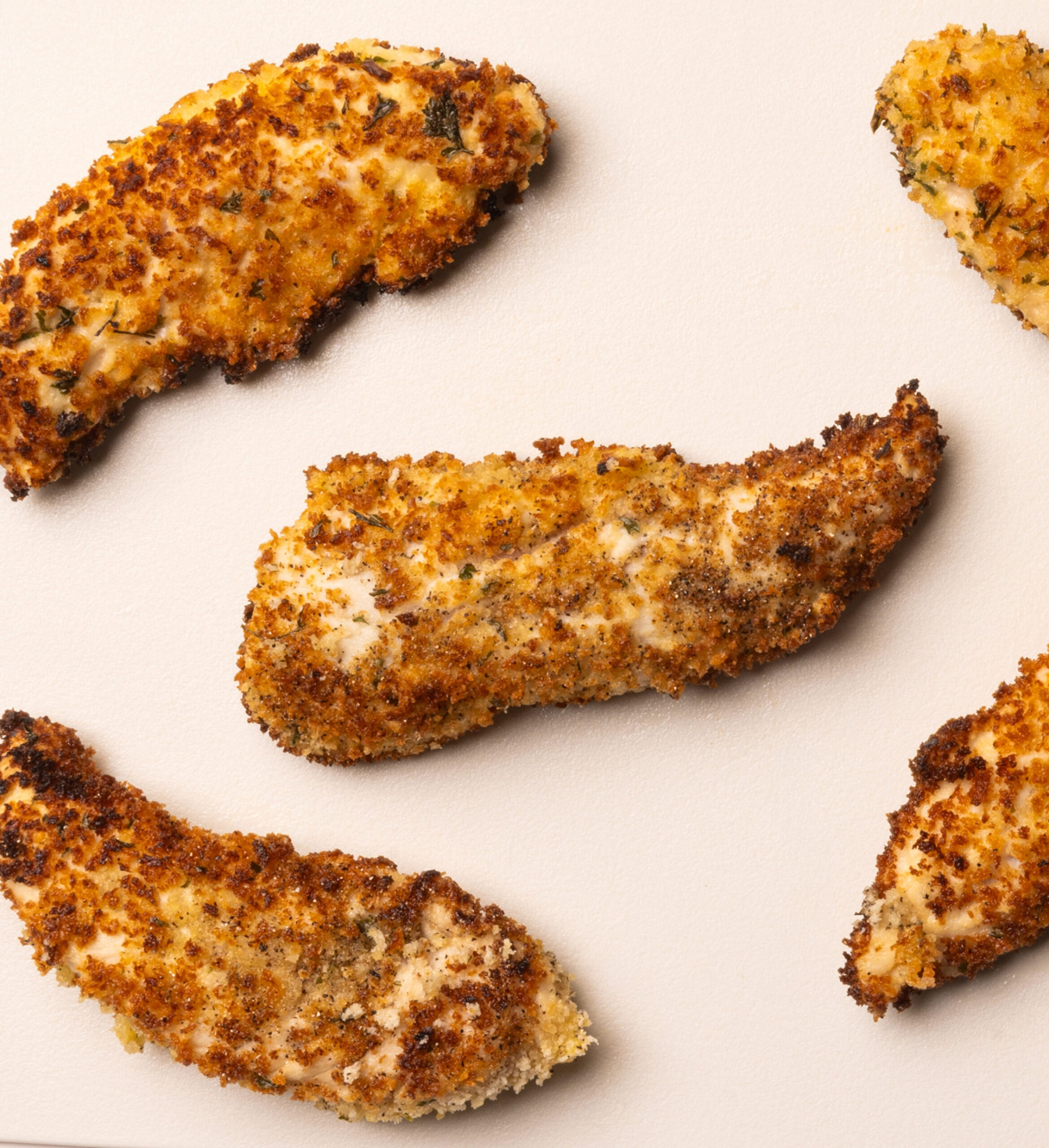
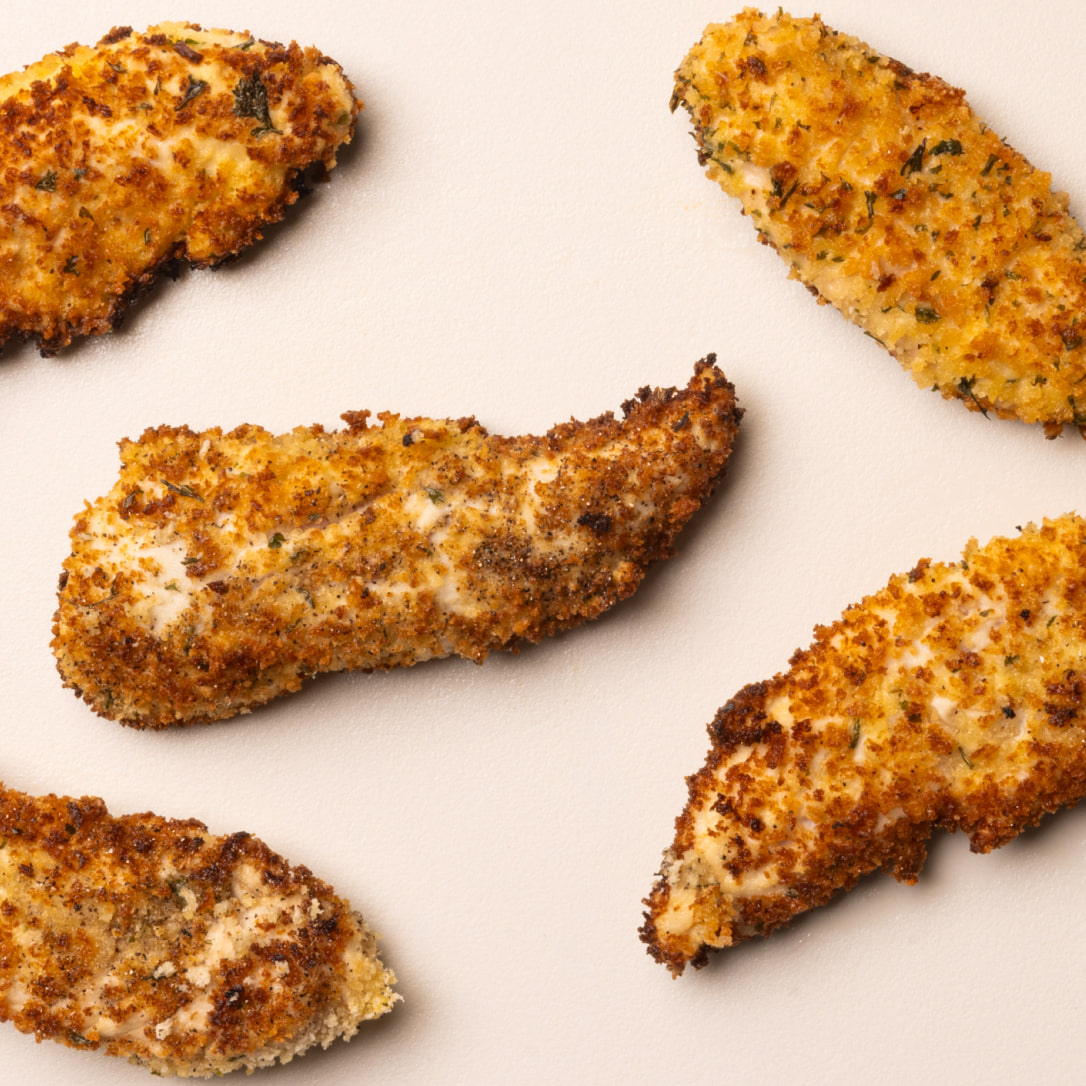
  • Chicken tenderloins: the most naturally tender cut, great for quick dinners and homemade chicken tenders.
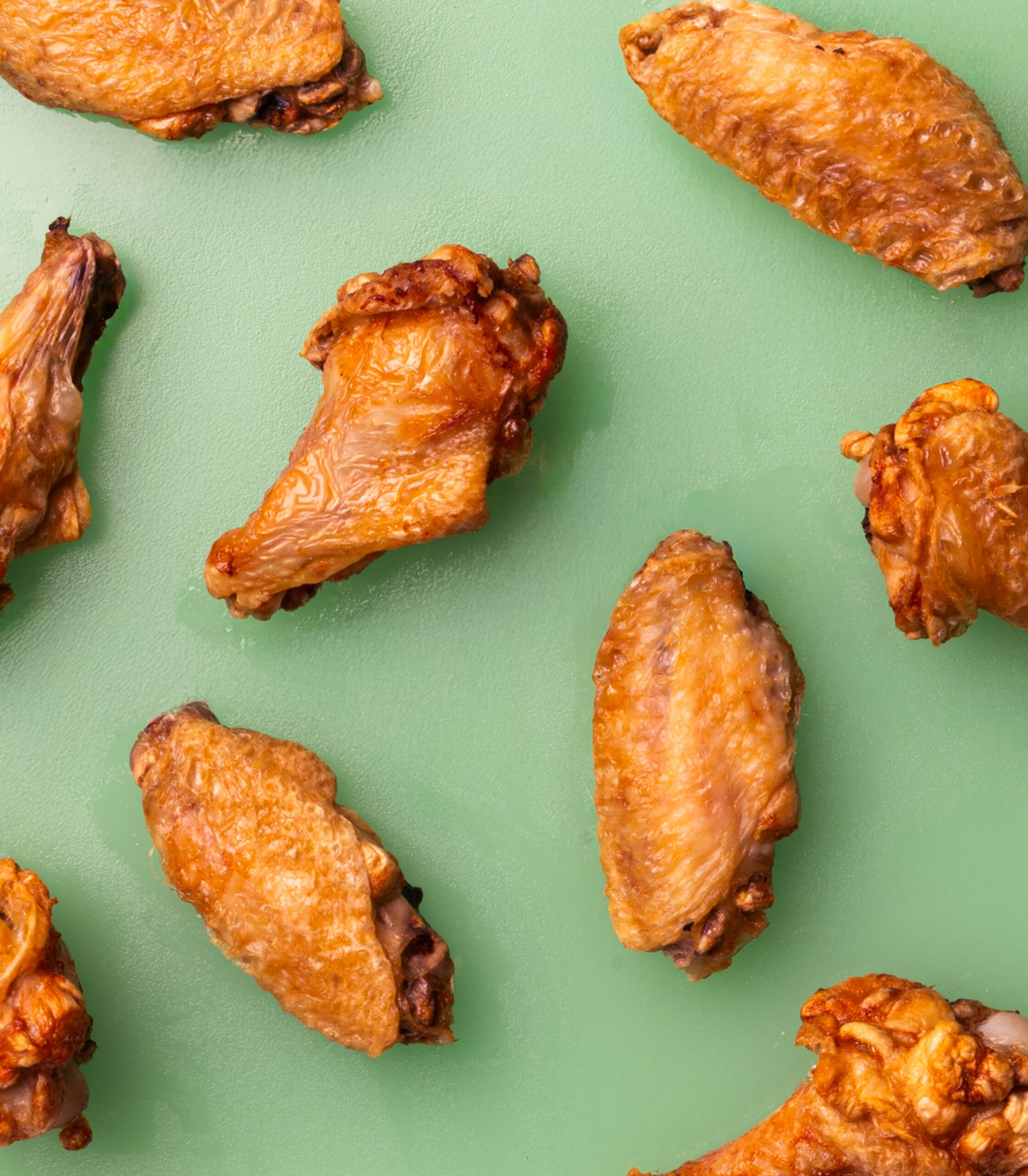
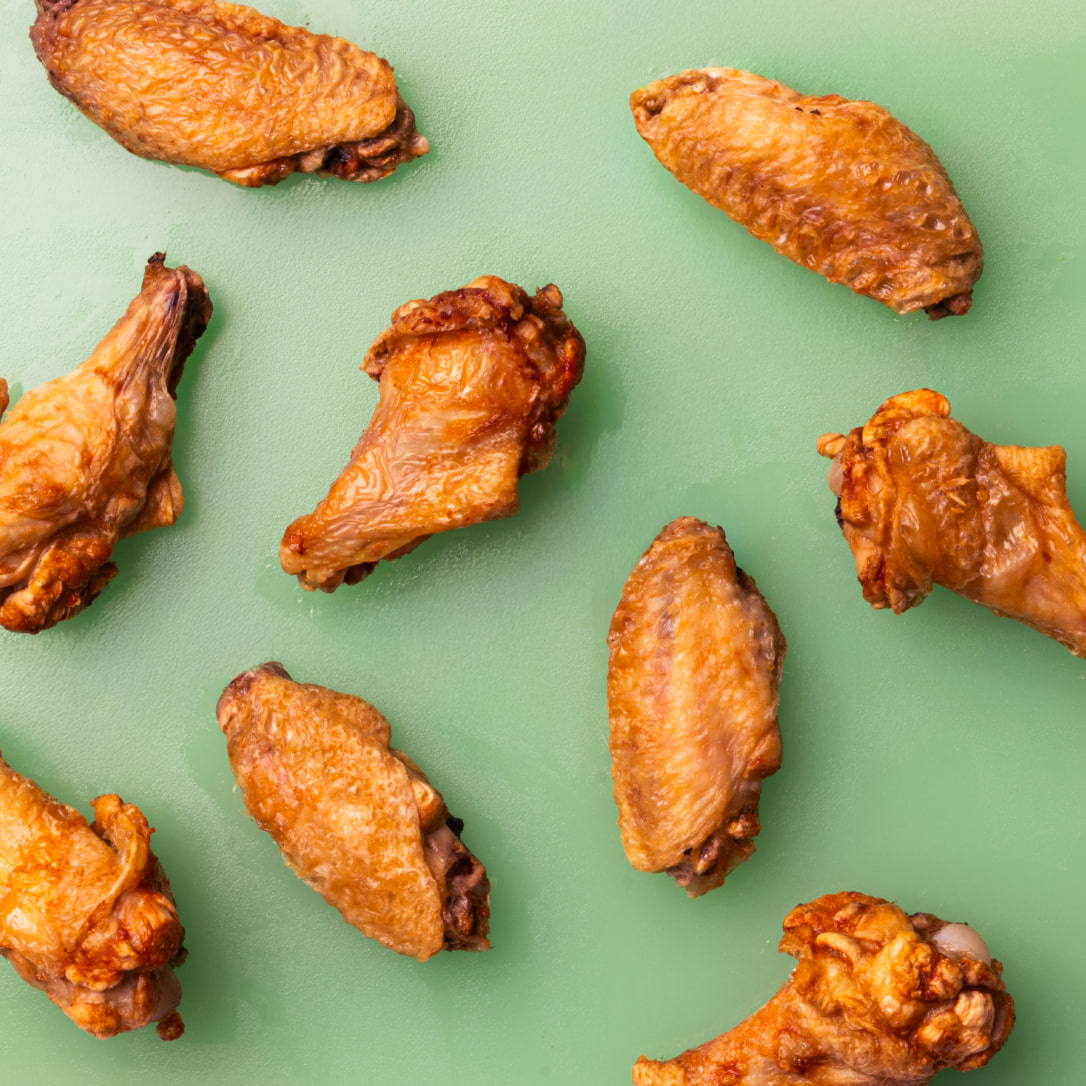
  • Chicken wings: built for sharing and packed with flavor, making them a favorite for parties, tailgates, and game day.
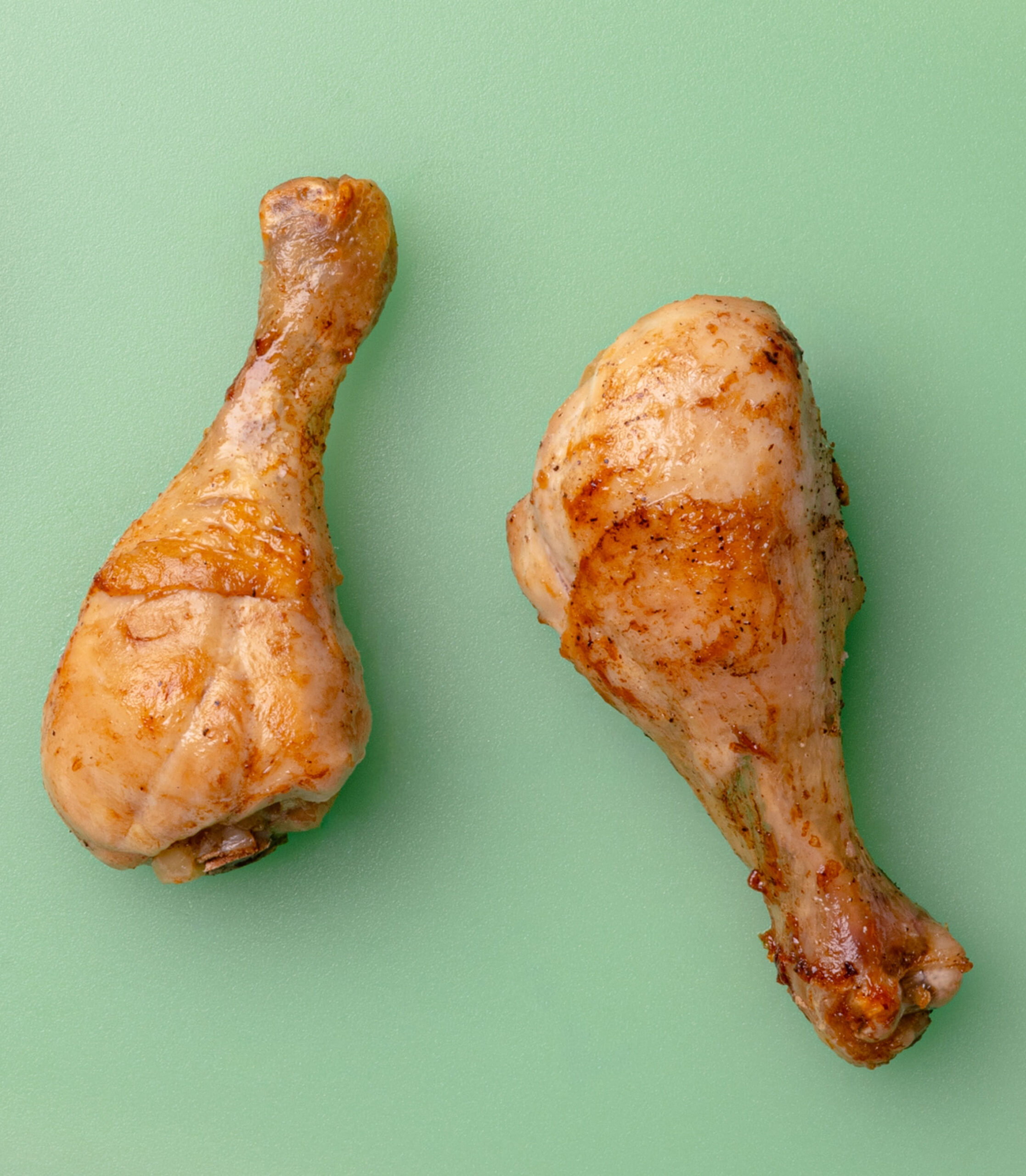
  • Chicken drumsticks: budget-friendly, family-friendly, and easy to cook on the grill or in the oven.

Why Knowing Your Chicken Cuts Matters

Chicken Breasts

  • Grilling, baking, pan-searing, and air frying
  • Salads, wraps, grain bowls, and sandwiches
  • Stir-fries, fajitas, and skillet dinners
  • Chicken cuts for meal prep, staying fresh in the refrigerator for several days

Chicken Thighs

  • Grilling and roasting
  • Braising and slow cooking
  • One-pan dinners and sheet-pan meals
  • Curries, barbecue, stir-fries, and other boldly seasoned dishes

Chicken Tenderloins

  • Quick skillet dinners
  • Stir-fries and sautés
  • Homemade chicken tenders
  • Kabobs and grilled appetizers
  • Fast weeknight meals

Chicken Wings

  • Game day
  • Tailgates
  • Parties
  • Family movie nights
  • Frying, baking, air frying, grilling, and smoking

Chicken Drumsticks

  • Grilling
  • Roasting
  • Baking
  • Frying
  • Budget-friendly family dinners
  • Cookouts and casual gatherings

Which Chicken Cut Should You Choose?

Frequently Asked Questions

Cook With Confidence

Chicken Nutrition Benefits

Why Chicken Deserves Its Place on Your Plate
  • High in protein (provides 20% or more of the Daily Value of protein)
  • Naturally rich in vitamins and minerals
  • Available in lean cuts like skinless chicken breast or more flavorful choices like chicken thighs
  • Fits a variety of eating patterns and nutrition goals
  • Great for meal prep, quick lunches, and easy weeknight dinners

Why Nutrition Matters in Protein Choices

Chicken Is a High-Quality, 
Complete Protein

How Much Protein Is In Chicken?

  • A 3 oz cooked chicken breast contains 24 grams of protein
  • A 3 oz cooked chicken thigh contains 22 grams of protein

Why Protein Matters

Is Chicken Breast or Thigh Healthier?

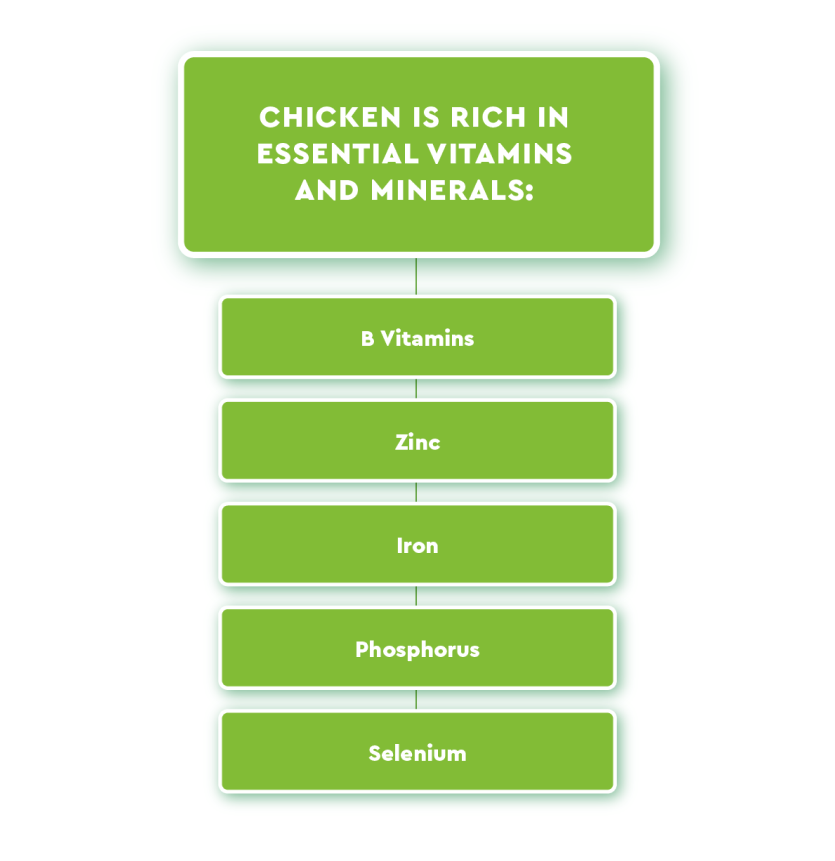
Chicken Provides Important 
Vitamins and Minerals

  • B vitamins, including B6, B12, and niacin, which help support energy metabolism, brain function, and red blood cell production
  • Selenium, an antioxidant that supports immune health and thyroid function
  • Phosphorus, which helps support strong bones and teeth
  • Zinc, especially in dark meat, which supports immune function and wound healing
  • Iron, found in higher amounts in dark meat, which helps support oxygen transport and energy levels

Is Dark Meat Chicken Bad for You?

Chicken Supports a
Wide Range of Eating Styles

  • High-protein and macro-tracking diets
  • Mediterranean eating patterns
  • Low-carb meals
  • Keto, paleo, and Whole30-style approaches
  • Family-friendly meal planning
  • Post-workout and athletic recovery meals
  • Naturally gluten-free and dairy-free meals

Chicken for Athletes, Muscle Gain, and Active Lifestyles

Is Chicken Good for Weight Loss?

Chicken Makes Everyday Wellness Easier

Is Chicken Healthy for Kids?

How to Maximize
Chicken’s Nutritional Benefits

  • Roasted vegetables
  • Leafy greens
  • Brown rice, quinoa, or whole grains
  • Beans or lentils
  • Fresh herbs and citrus
  • Olive oil-based sauces or marinades

Frequently Asked Questions

Eat Well with Confidence

Bring a Taste of FX’s The Bear Home with Just Bare®

Just Bare® | June 2026

Inspired by the Series. Created for Your Kitchen.

Few shows have captured the energy, passion, and pressure of cooking quite like FX’s The Bear. Through every service, setback, and breakthrough, food sits at the center of the story. The recipes, techniques, and kitchen culture featured throughout the series have become part of what fans love most about it.

The new Just Bare x FX’s The Bear collaboration gives fans a new way to experience that world at home.

Developed in collaboration with Courtney Storer, Chef and Culinary Producer of FX’s The Bear, this partnership brings the spirit of the series beyond the screen through a collection of character-inspired recipes created with Just Bare chicken. Each recipe draws inspiration from a fan-favorite character, translating their personality, perspective, and approach to food into something you can recreate at home.

Character-Inspired Recipes

The collaboration features a collection of original recipes inspired by some of the most memorable characters from FX’s The Bear.

The lineup includes:

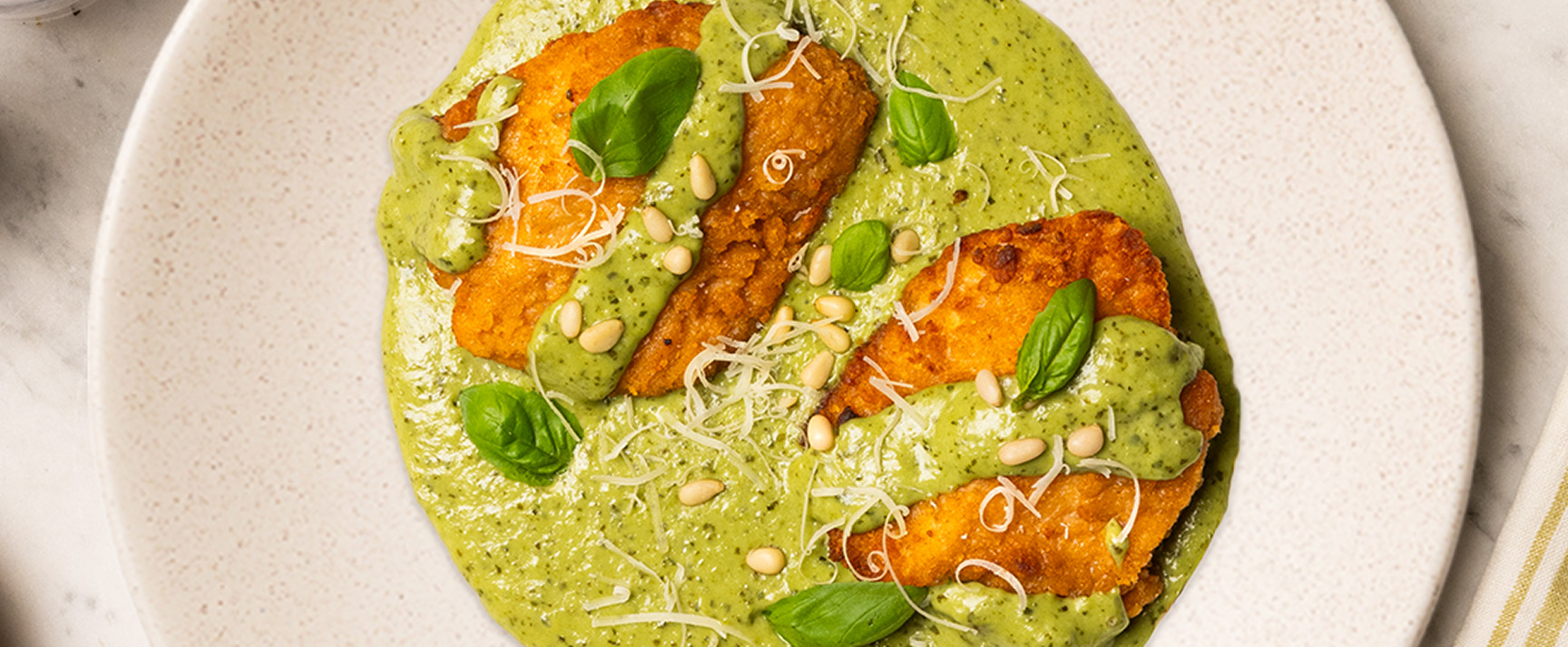
  • Crispy Chicken with Sweet Pea Crème Fraîche, inspired by Tina
  • Grilled Chicken Piccata, inspired by Carmy
  • Roasted Chicken with Sesame, Peanut & Orange, 
inspired by Sydney
  • Cousin’s Hot Wings, inspired by Richie
  • Chocolate Donut Holes, inspired by Marcus

Created by Courtney Storer, each recipe reflects a different personality from the series while showcasing the versatility of Just Bare chicken. From bold flavors to comforting favorites,
the collection offers fans a new way to connect with the world
of FX’s The Bear through cooking. All episodes of FX’s The Bear stream 6/25, on Hulu and Hulu on Disney+.

Bring the Experience Home

Fans can take the collaboration from screen to table with the limited-edition Just Bare x FX’s The Bear Chef’s Edit Kit.

Inspired by Tina and featuring the Crispy Chicken with Sweet Pea Crème Fraîche recipe, the kit includes everything needed to recreate the dish at home using Just Bare Lightly Breaded Chicken Bites. Thoughtfully curated and easy to prepare, it’s a simple way to experience one of the collaboration’s featured recipes for yourself.

The Tina-inspired recipe serves as the centerpiece of the kit, 
while the remaining character-inspired recipes will be available on the partnership landing page for fans looking to explore the full collection.

Whether you’re hosting friends, planning your next weeknight meal, or simply looking for a new recipe to try, the Just Bare x FX’s The Bear collaboration brings a taste of the series to your table.

Experience the Collection

Discover all five character-inspired recipes, learn more about the limited-edition Chef’s Edit Kit, and discover how Just Bare and FX’s The Bear are bringing a taste of the series home.

Explore the recipes and discover the
Just Bare x FX’s The Bear experience.

Protein, GLP-1s & the Shift Toward Smarter Eating

Just Bare® | June 2026

From social media conversations to grocery store shelves, GLP-1 medications are changing the way people think about healthy eating, appetite, and weight management. As more consumers focus on eating smaller portions and being more intentional with meals, one thing continues to stand out in the wellness conversation: protein matters.

Originally developed to help manage blood sugar levels in people with type 2 diabetes, GLP-1 medications work in part by helping regulate appetite and feelings of fullness. For many people, that can mean eating less throughout the day. But eating less doesn’t automatically mean eating better. With more consumers exploring GLP-1 medications as part of their health journey, conversations around protein, nutrient density, and balanced eating are growing right alongside them.

That’s where balanced nutrition comes in.

When portion sizes shrink, the quality of what’s on your plate becomes even more important. Nutrient-dense foods rich in protein, fiber, healthy fats, and hydration can help support a more balanced approach to eating and help people feel satisfied throughout the day.

Protein, in particular, has become a major focus in the conversation around healthy eating and GLP-1 lifestyles. High-protein meals can help support muscle maintenance during weight loss while also helping people stay fuller for longer. Pairing protein with fiber-rich foods, healthy fats, and proper hydration can help create meals that feel more balanced and satisfying throughout the day. It’s one reason “protein-first meals” and high-protein snacks continue trending across wellness and fitness communities.

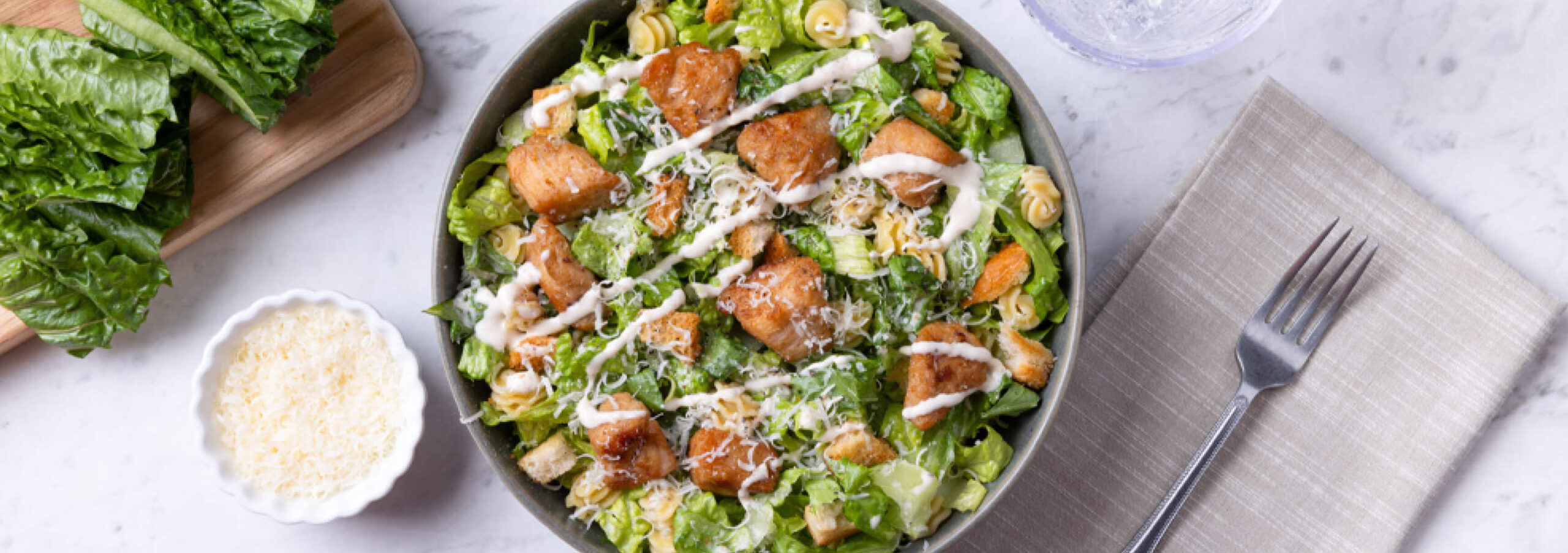
Lean proteins like chicken breast are an easy, versatile way to build balanced meals without overcomplicating things. Whether added to salads, grain bowls, wraps, or simple weeknight dinners, protein-rich options can help make smaller meals feel more satisfying and complete.

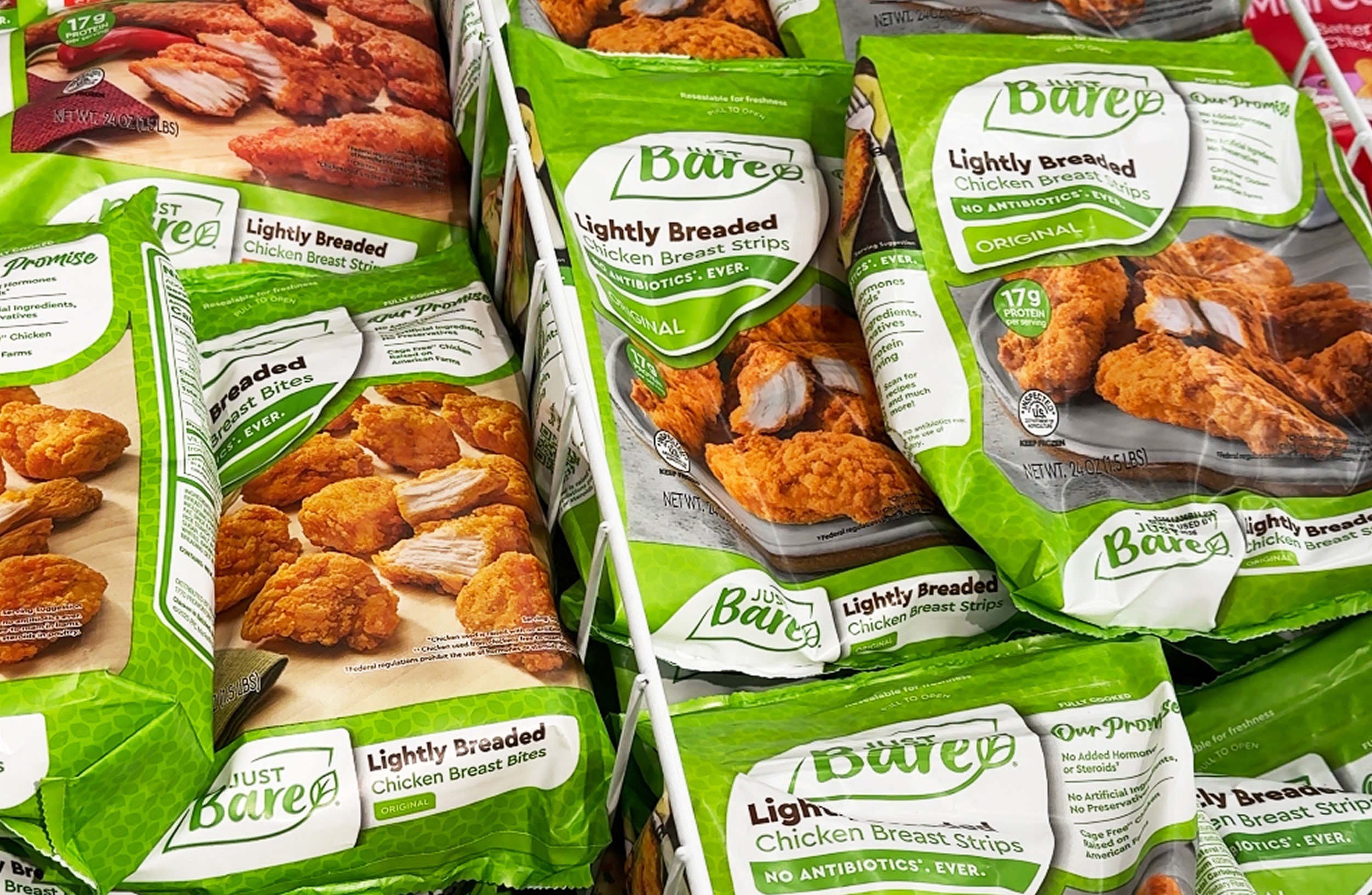
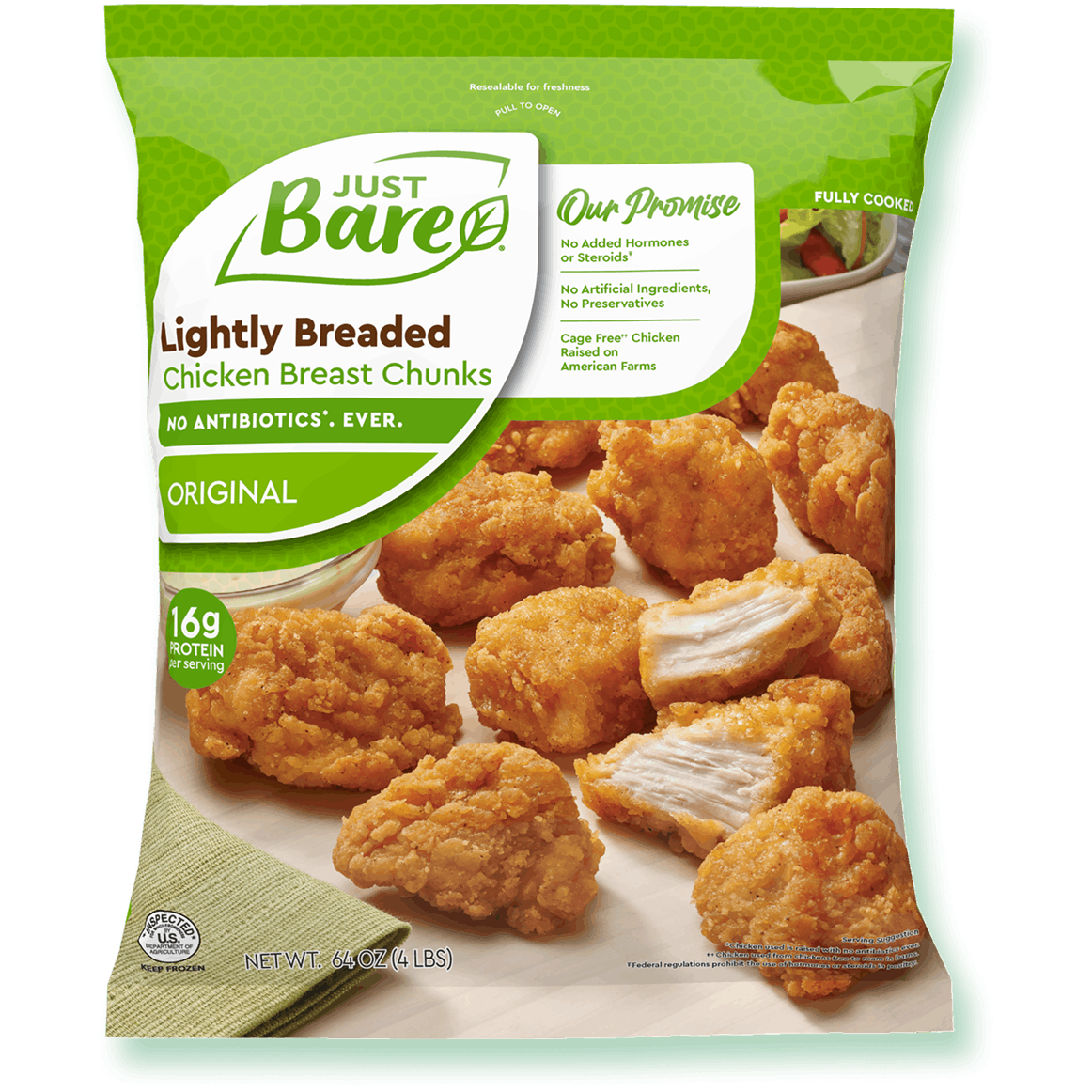
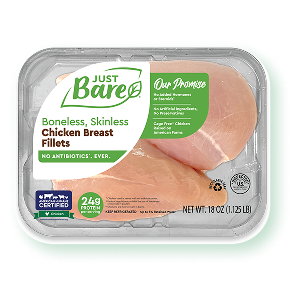
Convenience matters, too. As consumers look for simpler ways to support healthy habits, easy-to-prepare protein options are becoming part of everyday routines. Products like Just Bare Lightly Breaded Chicken Breast Bites, Oven Roasted Chicken Breast Bites, and Chicken Breast Fillets make it easy to add protein to meals and snacks, without the extra prep or planning.

The 60-Second Guide to 
Understanding Nutrition Labels

Ever flipped a package over, stared at the nutrition label… and immediately flipped it back?

You’re not alone.

Between tiny font, percentages, unfamiliar ingredients, and bold claims on the front of the package, food labels can feel more confusing than helpful. The good news? You don’t need a nutrition degree to make confident choices.

You just need to know what actually matters.

The nutrition label is designed to inform you.

When you understand how to read it, you:

  • Compare products more clearly
  • Align your food choices with your goals
  • Feel confident instead of confused

Let’s break it down.

Serving Size

This is the foundation of 
the entire label.

Serving size is based on what people typically eat, not what’s recommended. Every number on the label is based on this amount.

If you eat double the serving size, you’re also doubling everything else listed.

Always start here.

% Daily Value (%DV)

%DV shows how much a nutrient contributes to a standard 2,000-calorie daily diet.
Quick guide:
Think of it as a comparison tool, not a rulebook.

fats

Total Fat: Prioritize 
monounsaturated and polyunsaturated fats, found in foods like olive oil, avocados, fatty fish, nuts, and eggs.

Saturated Fat: Limit for heart health. Recommended intake is no more than 10% of total daily calories.

Trans Fat: Avoid completely.

Heart‑Healthy Tip: Choose fats from natural, nutrient‑dense sources (olive oil, avocados, nuts, eggs, lean animal proteins) rather than from snacks, baked goods, or processed meats.

Key takeaway: Focus on lowering saturated fat, not automatically choosing “low fat.”

Vitamins & Minerals

Look for nutrients many people need more of:
Higher %DV here can be a nutritional upgrade.

Calories

Calories are simply energy.
They are not good or bad. They tell you how much fuel you’re getting per serving.

Rule of thumb:
Context matters. A 400-calorie meal may make sense. A 400-calorie snack might not.

Sodium

Sodium adds up quickly in packaged foods.

Carbohydrates

This section includes: Added sugars are what to watch. Naturally occurring sugars (like those in fruit or milk) are different from sugars added during processing.

When comparing products, look closely at added sugar.

Protein

Protein supports: There’s no required %DV because protein needs vary from person to person. Instead, compare grams across similar products.

Most people aim for:
No matter how you enjoy your Just Bare chicken, fresh, lightly breaded, or oven-roasted, you can always count on it delivering the protein your body needs in every single serving.
The 30-Second Label Cheat Code

When Comparing Products

Prioritize:
Always check:

For Muscle Gain

Look for:

For Heart Health

Look for:

For Weight Management

Look for:

For Blood Sugar Control

Look for:

The Ultimate Post-Workout Fuel

You finished your workout. Maybe it was a strength session, a long walk, or a quick class squeezed into a busy day. What you do next matters more than you might think. 
 

Refueling with protein after exercise helps your body recover, rebuild, and feel ready for whatever comes next. For protein seekers and active lifestyles, the right post-workout meal can make a real difference in energy levels and results. 

Protein Before vs. After a Workout 

Eating protein before a workout can help provide amino acids that support your muscles during activity. This can be helpful if you are training for longer periods or doing high intensity exercise.

After your workout is when protein really earns its reputation. Post-workout protein supports muscle repair, helps rebuild tissue broken down during exercise, and contributes to strength and recovery over time. This is why many experts recommend prioritizing protein after training.

When Should You Eat? 

Aim to refuel within 30 to 60 minutes after your workout when possible. During this time, your body is especially ready to absorb nutrients and put them to work. If you cannot eat right away, do not stress. What matters most is getting enough protein throughout the day. 

What Protein Does for Your Body 

Protein provides the amino acids your muscles need to repair and grow. It also supports lean muscle maintenance, helps keep you full, and plays a role in overall strength and performance. For active adults, spreading protein intake across meals can help support consistent energy and recovery. 

Why Chicken Is a Great Post-Workout Choice

Chicken is a high quality, complete protein that contains all essential amino acids. It is naturally lean, easy to digest, and incredibly versatile. The combination makes chicken a smart option for post-workout meals that feel satisfying without feeling heavy. 

 
This is why so many protein seekers rely on high-protein chicken meals as part of their routine. 

Easy High-Protein Chicken Meals to Try 

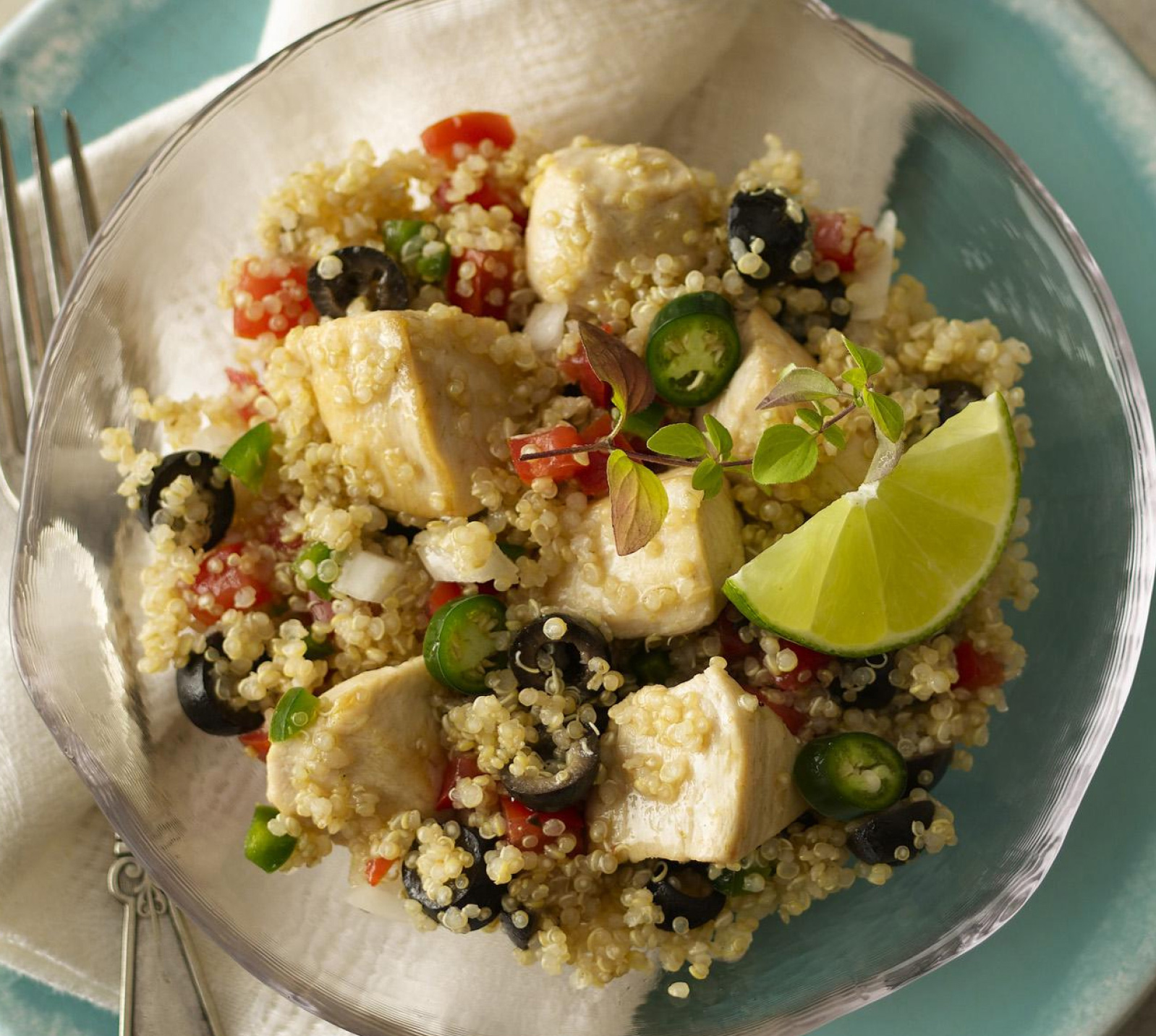
High-protein chicken meals do not have to be complicated. A few simple ideas include Pico de Gallo & Chicken Quinoa Salad, Spicy Chicken and Rice Bowls, or Barbecue Chicken Wraps. 

The bottom line is simple. Your workout does not end when the movement stops. Fueling with protein helps your body recover and move forward stronger. High protein Just Bare meals make refueling both effective and easy on active days. 

How Just Bare® Solves the Dreaded 
“What’s For Dinner?”

If you’ve ever opened the fridge at 5:30 pm and wondered how dinner became your responsibility again, you’re not alone. Nearly 85% of people struggle with deciding what to eat, night after night. The secret to stress-free weeknight meals is having a meal rotation built around one reliable, flexible foundation. That’s where Just Bare Chicken comes in!

The Real Problem with Meal Planning (and How to Fix It)

The biggest mistake people make with meal planning is trying to plan everything. New recipes every night. Too many ingredients. Too many decisions. A better approach?

Plan Less, Reuse More

A realistic meal rotation includes five to seven dinners, built around ingredients that can easily stretch across multiple meals. When Just Bare Chicken is at the center of your plan, variety comes from flavors and formats, not extra effort.

The Cook-Once → Remix All Week

Think of your meal rotation like a system, not a schedule. Here’s how it works:

1.

Start with Just Bare Fresh Chicken

2.

Prep it one time, using neutral seasoning

3.

Change the flavor, sauce, or 
cuisine throughout the week

Just Bare Chicken makes this easy because it’s minimally processed, versatile, and works across everything from comfort meals to lighter dinners.

Sample Week

Three different mix and match meal ideas with one step already taken care of.

Sun
PREP: Cook 2–3 lbs. of Just Bare Fresh Chicken
  • Half shredded
  • Half cubed
Mon
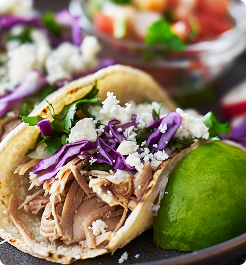
MEAL IDEA: Shredded chicken
tacos with a quick slaw
Tues
Wed
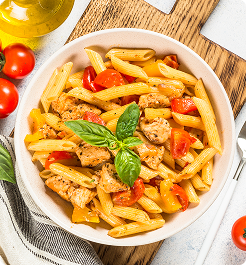
MEAL IDEA: Cubed chicken pasta with vegetables
Thu
Fri
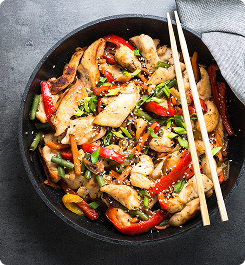
MEAL IDEA: Chicken stir-fry using frozen veggies and a simple sauce
Sat

Why This Works (Without Getting Technical)

Building your rotation around Just Bare Chicken helps:

  1. Keep meals balanced with protein that satisfies
  2. Reduce last-minute takeout decisions
  3. Make weeknight dinners feel automatic instead of overwhelming

You don’t need perfect nutrition every night. What matters is consistency over time and creating a rhythm that works for real life. By anchoring your week around Just Bare Chicken, you simplify planning, save time, and make feeding yourself or your family feel less like a daily scramble and more like a habit you can stick with.