nixon@nixonmedia.com, Author at Just Bare Foods
Love Just Bare ? Leave us a review!

More Bang for Your Bite: Why Protein is the Meat of the GLP-1 Conversation

This Isn’t Your Mother’s Weight Loss 

Why Registered Dietitians Love Protein

You Gotta Get a Protein Hack

Quality Cuts, Not Short Cuts

High Protein, Low Friction

Nashville Hot Chicken Pizza 

Weeknight Burrito Bowls

Pesto Chicken

It’s Not Complicated

Chicken Labels Explained

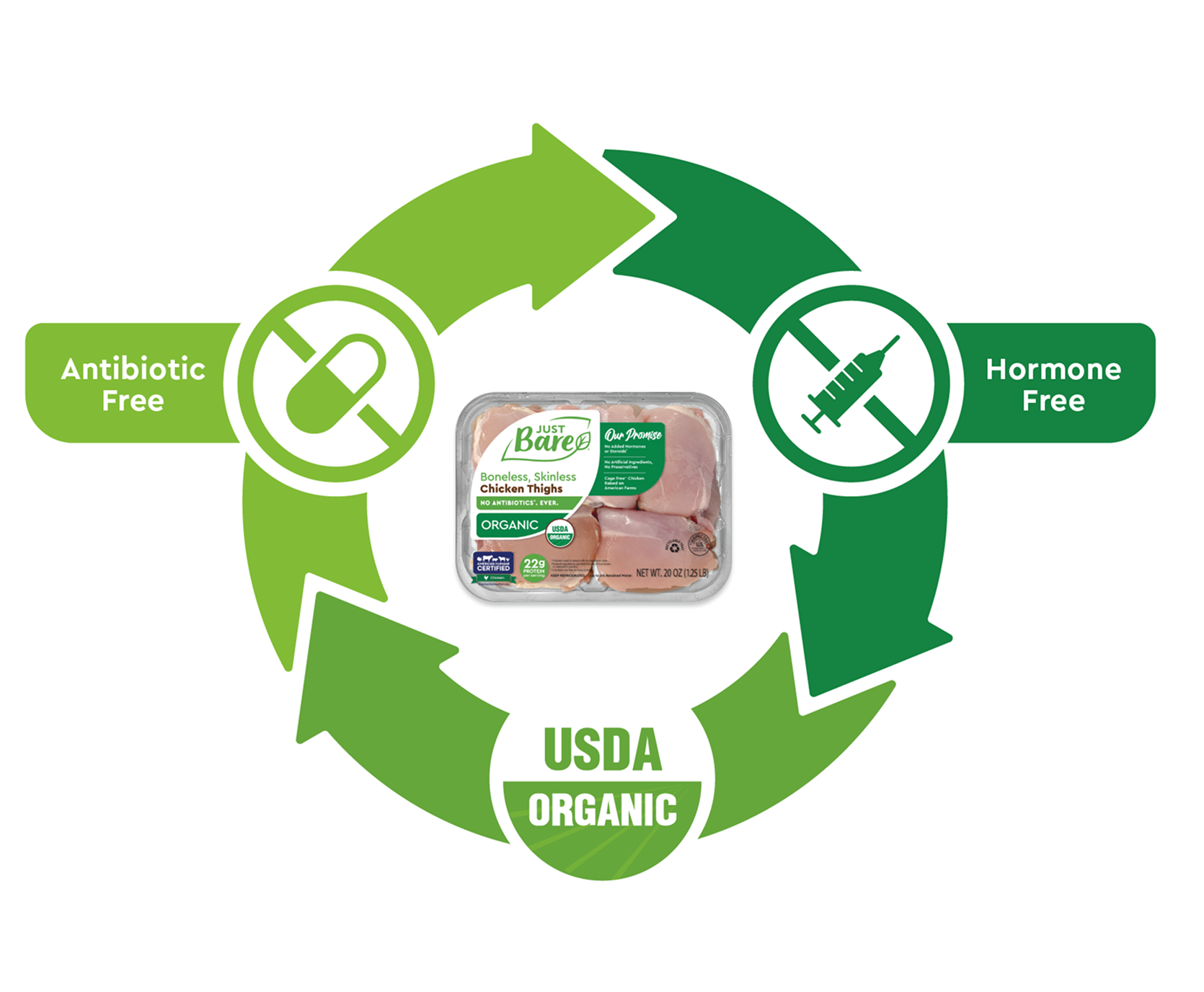
What Antibiotic-Free, Organic & Hormone-Free Really Mean

Why Chicken Label Claims Matter

What Does “Antibiotic Free” 
Mean on Chicken?

Why It Matters

An Important Fact Many People Don’t Know

What to Look For

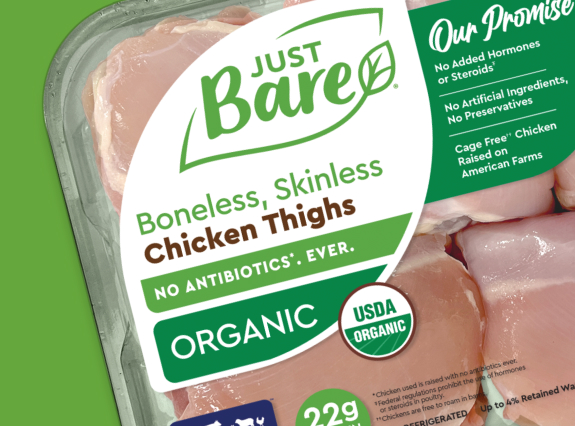
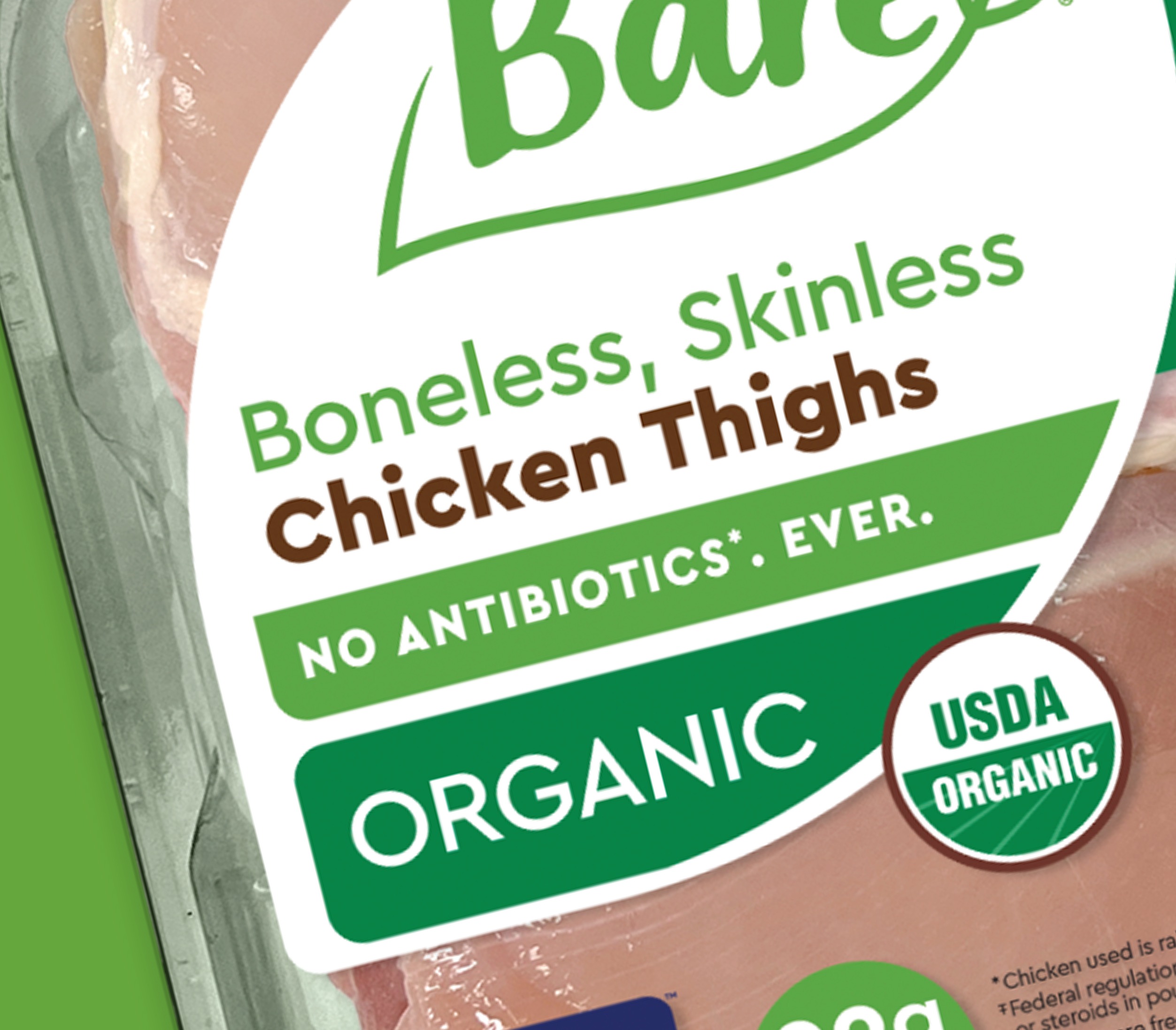
What Does USDA Organic Mean for Chicken?

What is Organic Chicken?

  • Fed 100% certified organic feed
  • Raised without antibiotics
  • Raised without growth-promoting drugs
  • Given feed free from GMOs, synthetic pesticides, and animal byproducts
  • Provided access to the outdoors
  • Raised under strict USDA standards governing feed, farming practices, and animal care

Why Organic Means More Than One Label

Organic vs. Natural

Is Organic Chicken Worth the Cost?

Is All Chicken Added Hormone Free?

Are Hormones Allowed in Chicken?

Why Do Brands Still Include the Claim?

Which Chicken Label is the Most Meaningful?

Read Chicken Labels with Confidence

Frequently Asked Questions

Chicken Cuts Explained

How to Choose the Right Cut for Every Meal
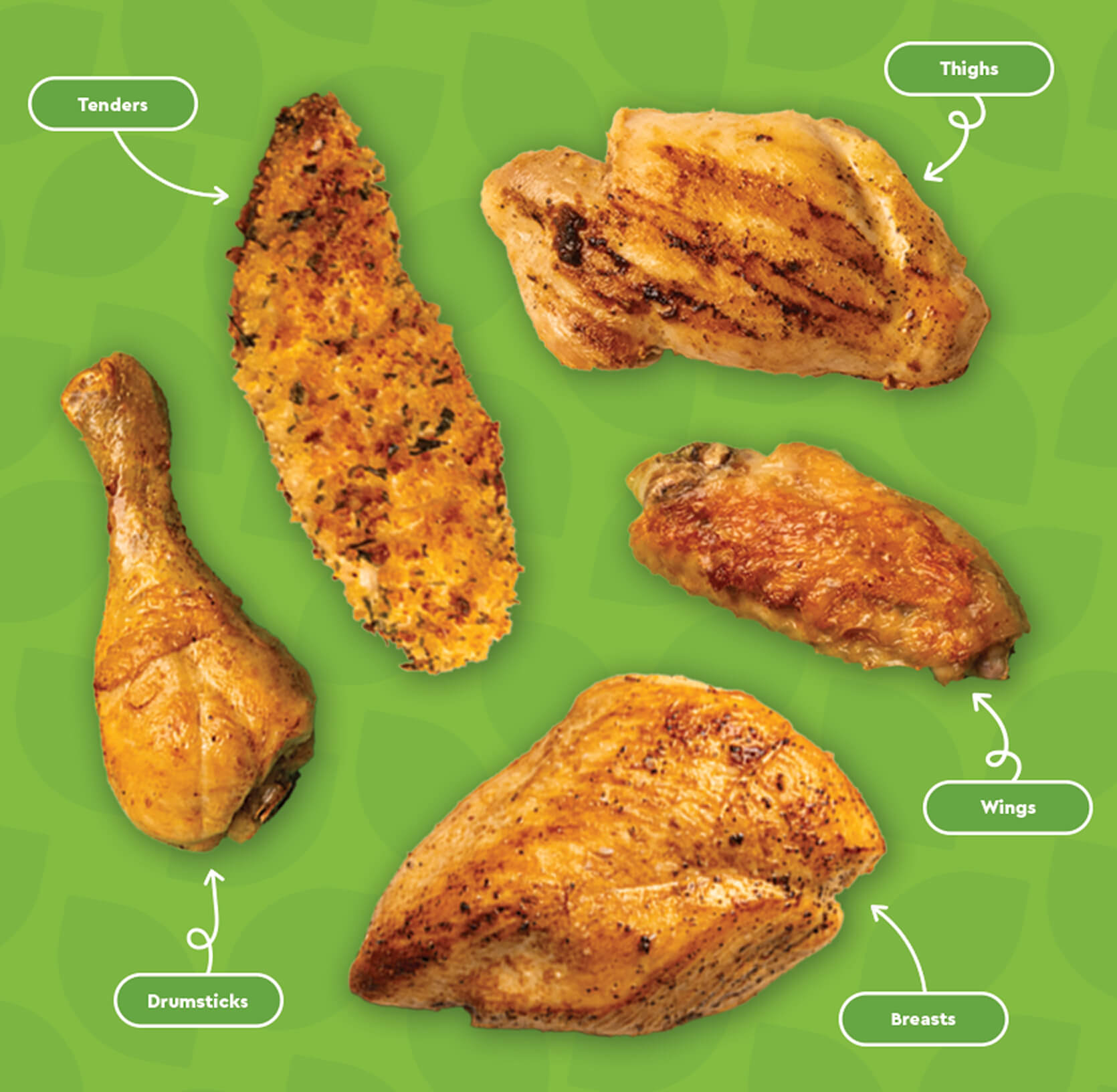
  • Chicken breasts: lean, versatile, and ideal for meal prep, salads, sandwiches, and healthy weeknight meals.
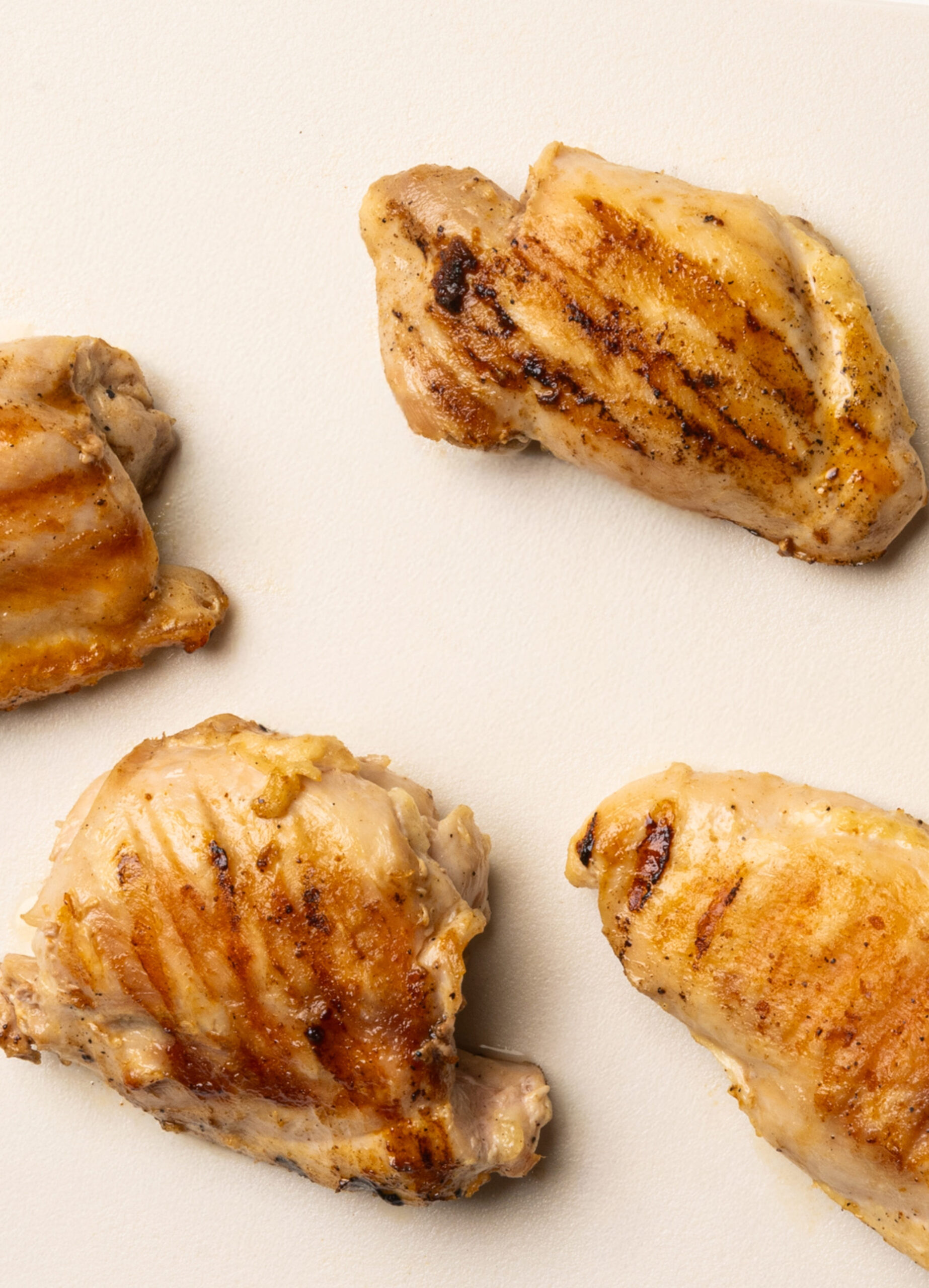
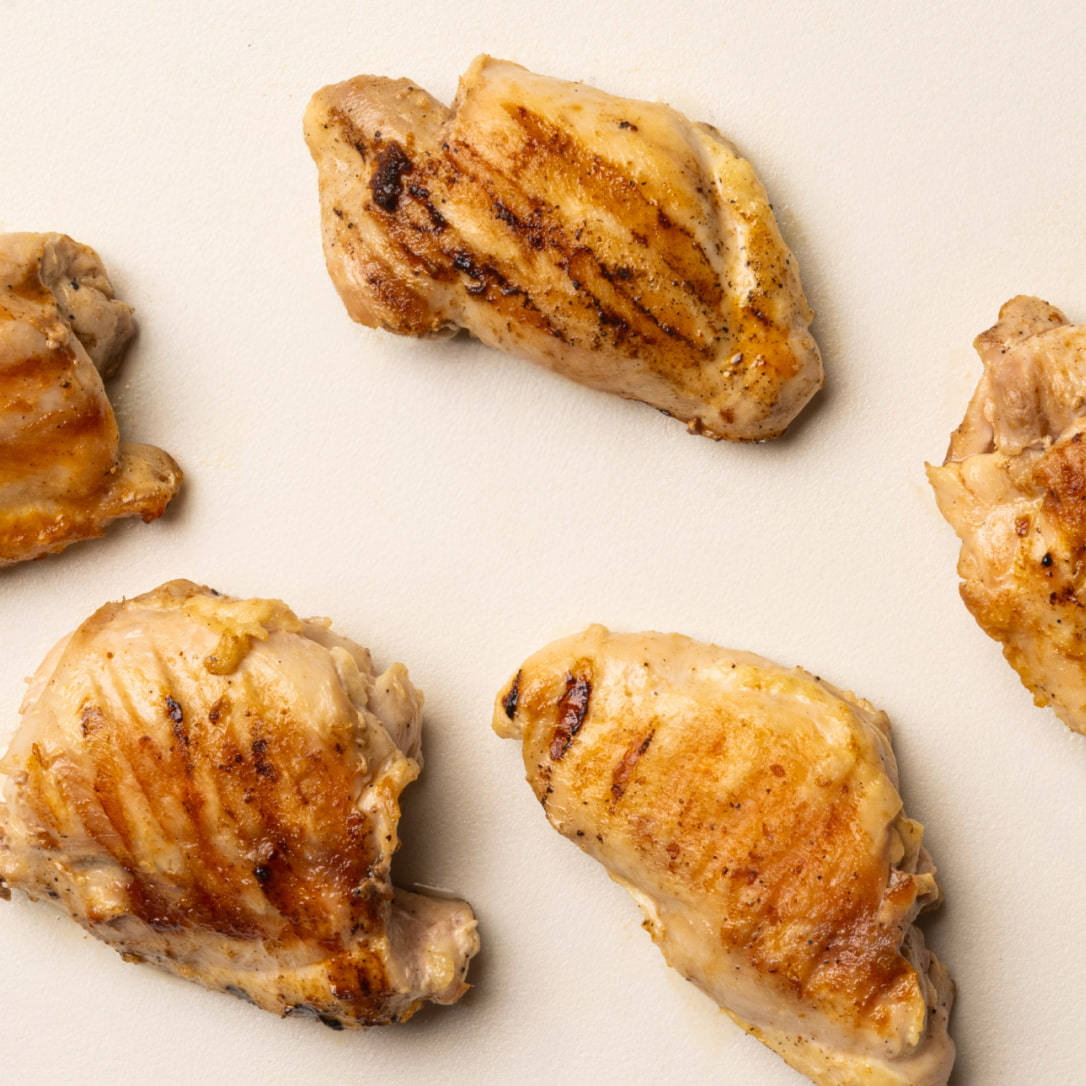
  • Chicken thighs: rich, juicy, and forgiving. Perfect for grilling, roasting, braising, and bold flavors.
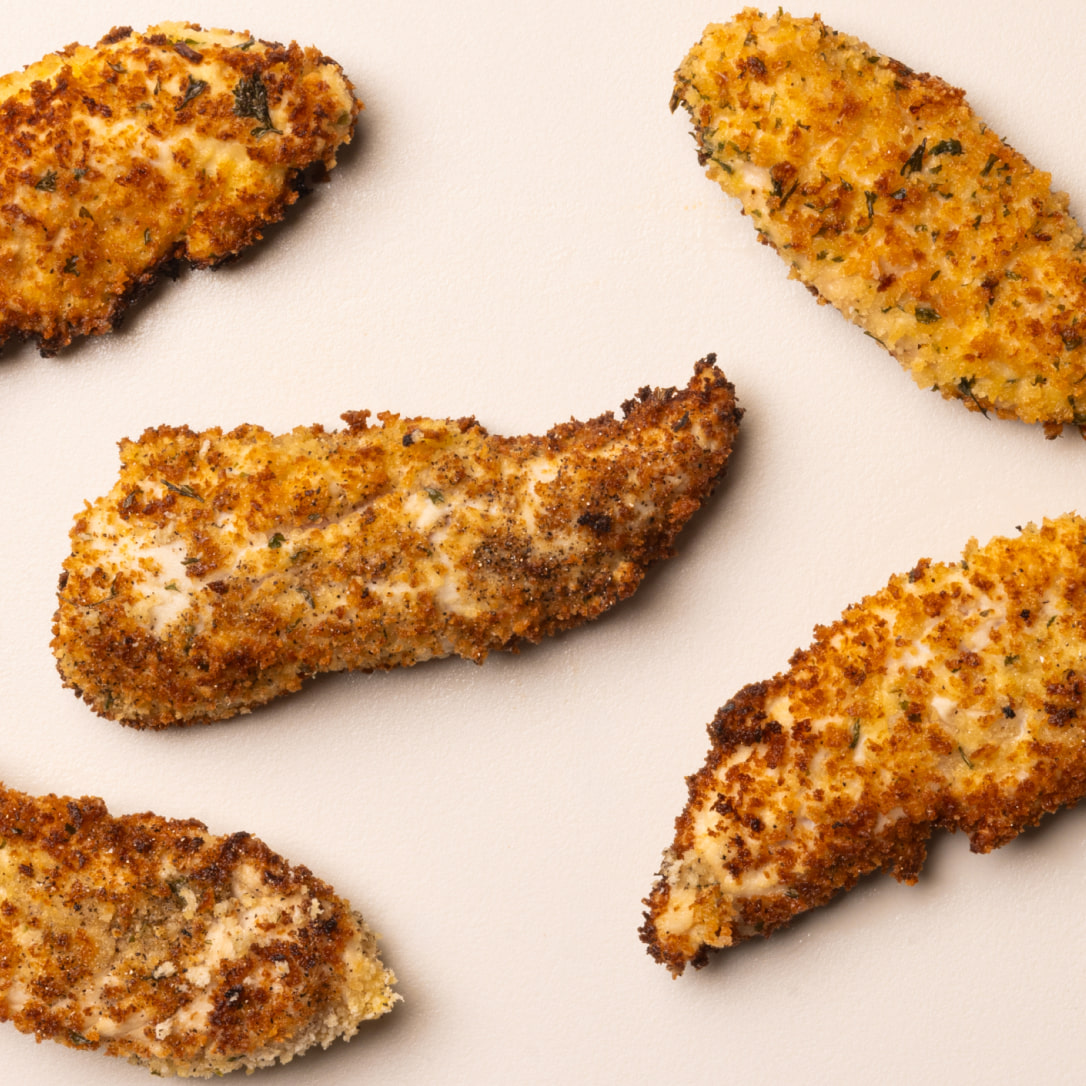
  • Chicken tenderloins: the most naturally tender cut, great for quick dinners and homemade chicken tenders.
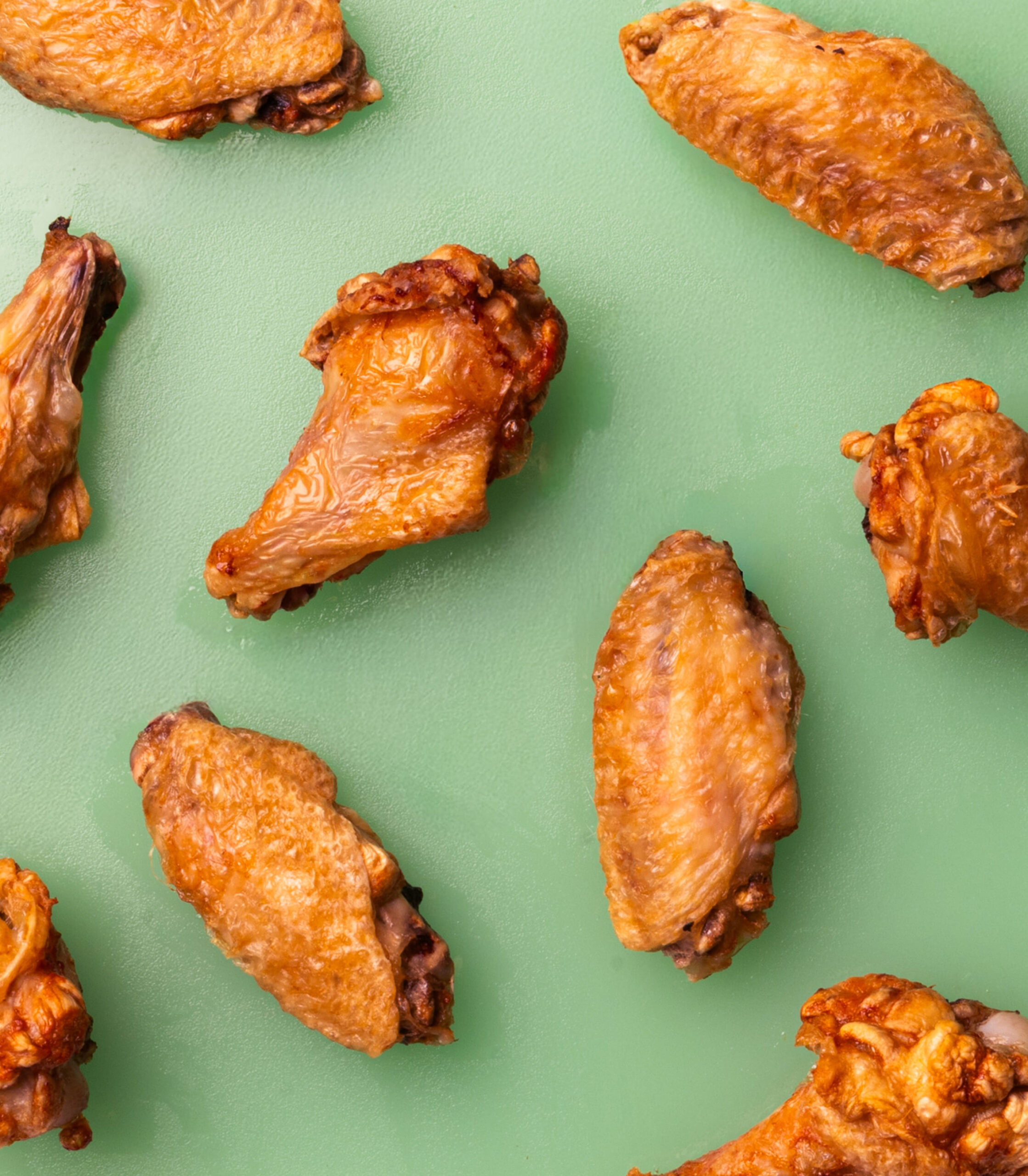
  • Chicken wings: built for sharing and packed with flavor, making them a favorite for parties, tailgates, and game day.
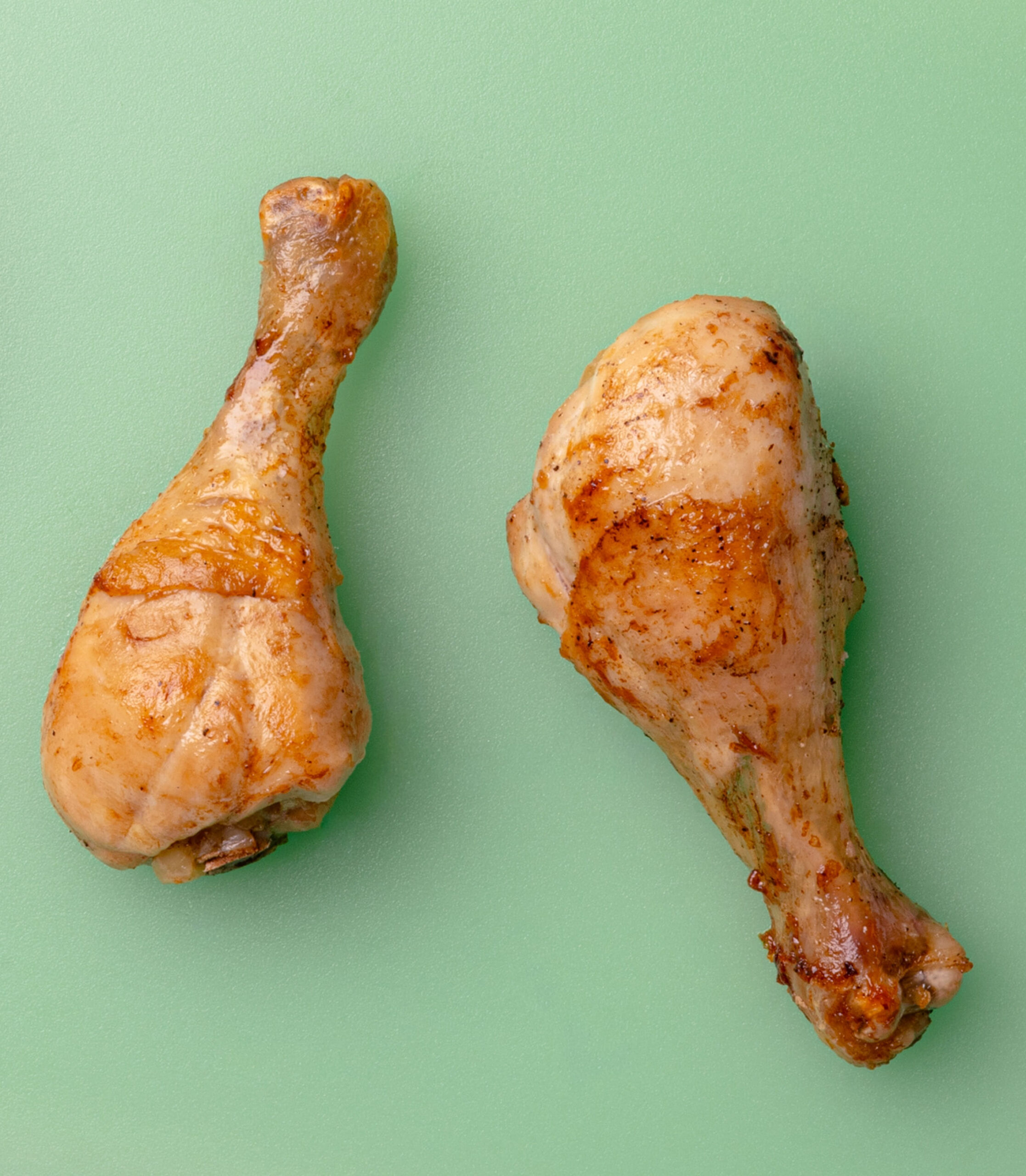
  • Chicken drumsticks: budget-friendly, family-friendly, and easy to cook on the grill or in the oven.

Why Knowing Your Chicken Cuts Matters

Chicken Breasts

  • Grilling, baking, pan-searing, and air frying
  • Salads, wraps, grain bowls, and sandwiches
  • Stir-fries, fajitas, and skillet dinners
  • Chicken cuts for meal prep, staying fresh in the refrigerator for several days

Chicken Thighs

  • Grilling and roasting
  • Braising and slow cooking
  • One-pan dinners and sheet-pan meals
  • Curries, barbecue, stir-fries, and other boldly seasoned dishes

Chicken Tenderloins

  • Quick skillet dinners
  • Stir-fries and sautés
  • Homemade chicken tenders
  • Kabobs and grilled appetizers
  • Fast weeknight meals

Chicken Wings

  • Game day
  • Tailgates
  • Parties
  • Family movie nights
  • Frying, baking, air frying, grilling, and smoking

Chicken Drumsticks

  • Grilling
  • Roasting
  • Baking
  • Frying
  • Budget-friendly family dinners
  • Cookouts and casual gatherings

Which Chicken Cut Should You Choose?

Frequently Asked Questions

Cook With Confidence

Chicken Nutrition Benefits

Why Chicken Deserves Its Place on Your Plate
  • High in protein (provides 20% or more of the Daily Value of protein)
  • Naturally rich in vitamins and minerals
  • Available in lean cuts like skinless chicken breast or more flavorful choices like chicken thighs
  • Fits a variety of eating patterns and nutrition goals
  • Great for meal prep, quick lunches, and easy weeknight dinners

Why Nutrition Matters in Protein Choices

Chicken Is a High-Quality, 
Complete Protein

How Much Protein Is In Chicken?

  • A 3 oz cooked chicken breast contains 24 grams of protein
  • A 3 oz cooked chicken thigh contains 22 grams of protein

Why Protein Matters

Is Chicken Breast or Thigh Healthier?

Chicken Provides Important 
Vitamins and Minerals

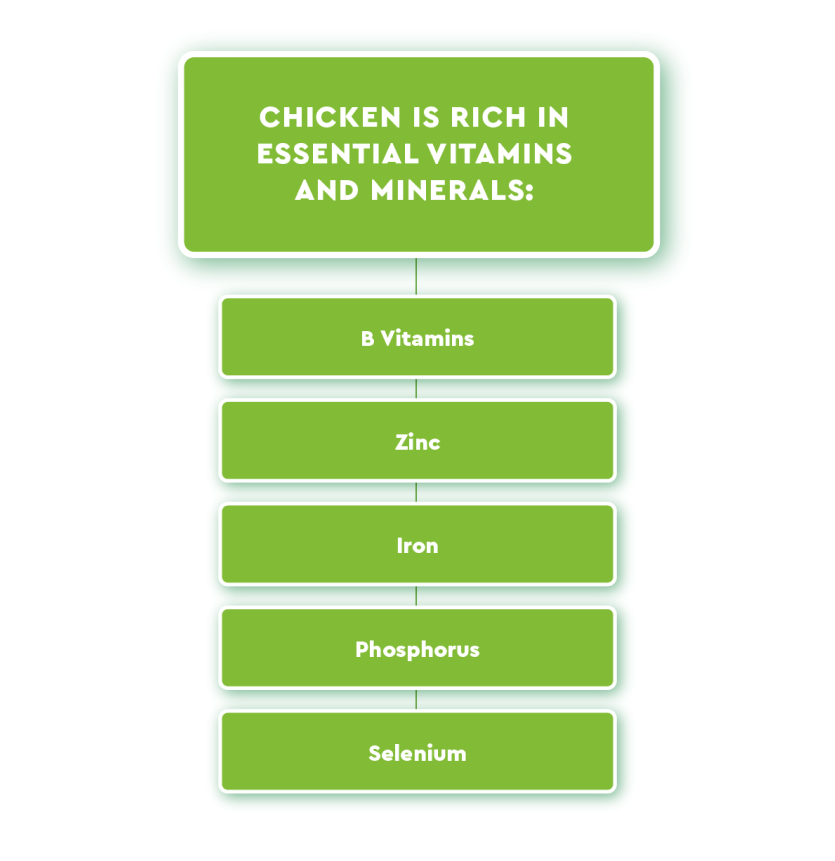
  • B vitamins, including B6, B12, and niacin, which help support energy metabolism, brain function, and red blood cell production
  • Selenium, an antioxidant that supports immune health and thyroid function
  • Phosphorus, which helps support strong bones and teeth
  • Zinc, especially in dark meat, which supports immune function and wound healing
  • Iron, found in higher amounts in dark meat, which helps support oxygen transport and energy levels

Is Dark Meat Chicken Bad for You?

Chicken Supports a
Wide Range of Eating Styles

  • High-protein and macro-tracking diets
  • Mediterranean eating patterns
  • Low-carb meals
  • Keto, paleo, and Whole30-style approaches
  • Family-friendly meal planning
  • Post-workout and athletic recovery meals
  • Naturally gluten-free and dairy-free meals

Chicken for Athletes, Muscle Gain, and Active Lifestyles

Is Chicken Good for Weight Loss?

Chicken Makes Everyday Wellness Easier

Is Chicken Healthy for Kids?

How to Maximize
Chicken’s Nutritional Benefits

  • Roasted vegetables
  • Leafy greens
  • Brown rice, quinoa, or whole grains
  • Beans or lentils
  • Fresh herbs and citrus
  • Olive oil-based sauces or marinades

Frequently Asked Questions

Eat Well with Confidence

The 60-Second Guide to 
Understanding Nutrition Labels

Ever flipped a package over, stared at the nutrition label… and immediately flipped it back?

You’re not alone.

Between tiny font, percentages, unfamiliar ingredients, and bold claims on the front of the package, food labels can feel more confusing than helpful. The good news? You don’t need a nutrition degree to make confident choices.

You just need to know what actually matters.

The nutrition label is designed to inform you.

When you understand how to read it, you:

  • Compare products more clearly
  • Align your food choices with your goals
  • Feel confident instead of confused

Let’s break it down.

Serving Size

This is the foundation of 
the entire label.

Serving size is based on what people typically eat, not what’s recommended. Every number on the label is based on this amount.

If you eat double the serving size, you’re also doubling everything else listed.

Always start here.

% Daily Value (%DV)

%DV shows how much a nutrient contributes to a standard 2,000-calorie daily diet.
Quick guide:
Think of it as a comparison tool, not a rulebook.

fats

Total Fat: Prioritize 
monounsaturated and polyunsaturated fats, found in foods like olive oil, avocados, fatty fish, nuts, and eggs.

Saturated Fat: Limit for heart health. Recommended intake is no more than 10% of total daily calories.

Trans Fat: Avoid completely.

Heart‑Healthy Tip: Choose fats from natural, nutrient‑dense sources (olive oil, avocados, nuts, eggs, lean animal proteins) rather than from snacks, baked goods, or processed meats.

Key takeaway: Focus on lowering saturated fat, not automatically choosing “low fat.”

Vitamins & Minerals

Look for nutrients many people need more of:
Higher %DV here can be a nutritional upgrade.

Calories

Calories are simply energy.
They are not good or bad. They tell you how much fuel you’re getting per serving.

Rule of thumb:
Context matters. A 400-calorie meal may make sense. A 400-calorie snack might not.

Sodium

Sodium adds up quickly in packaged foods.

Carbohydrates

This section includes: Added sugars are what to watch. Naturally occurring sugars (like those in fruit or milk) are different from sugars added during processing.

When comparing products, look closely at added sugar.

Protein

Protein supports: There’s no required %DV because protein needs vary from person to person. Instead, compare grams across similar products.

Most people aim for:
No matter how you enjoy your Just Bare chicken, fresh, lightly breaded, or oven-roasted, you can always count on it delivering the protein your body needs in every single serving.
The 30-Second Label Cheat Code

When Comparing Products

Prioritize:
Always check:

For Muscle Gain

Look for:

For Heart Health

Look for:

For Weight Management

Look for:

For Blood Sugar Control

Look for:

The Ultimate Post-Workout Fuel

You finished your workout. Maybe it was a strength session, a long walk, or a quick class squeezed into a busy day. What you do next matters more than you might think. 
 

Refueling with protein after exercise helps your body recover, rebuild, and feel ready for whatever comes next. For protein seekers and active lifestyles, the right post-workout meal can make a real difference in energy levels and results. 

Protein Before vs. After a Workout 

Eating protein before a workout can help provide amino acids that support your muscles during activity. This can be helpful if you are training for longer periods or doing high intensity exercise.

After your workout is when protein really earns its reputation. Post-workout protein supports muscle repair, helps rebuild tissue broken down during exercise, and contributes to strength and recovery over time. This is why many experts recommend prioritizing protein after training.

When Should You Eat? 

Aim to refuel within 30 to 60 minutes after your workout when possible. During this time, your body is especially ready to absorb nutrients and put them to work. If you cannot eat right away, do not stress. What matters most is getting enough protein throughout the day. 

What Protein Does for Your Body 

Protein provides the amino acids your muscles need to repair and grow. It also supports lean muscle maintenance, helps keep you full, and plays a role in overall strength and performance. For active adults, spreading protein intake across meals can help support consistent energy and recovery. 

Why Chicken Is a Great Post-Workout Choice

Chicken is a high quality, complete protein that contains all essential amino acids. It is naturally lean, easy to digest, and incredibly versatile. The combination makes chicken a smart option for post-workout meals that feel satisfying without feeling heavy. 

 
This is why so many protein seekers rely on high-protein chicken meals as part of their routine. 

Easy High-Protein Chicken Meals to Try 

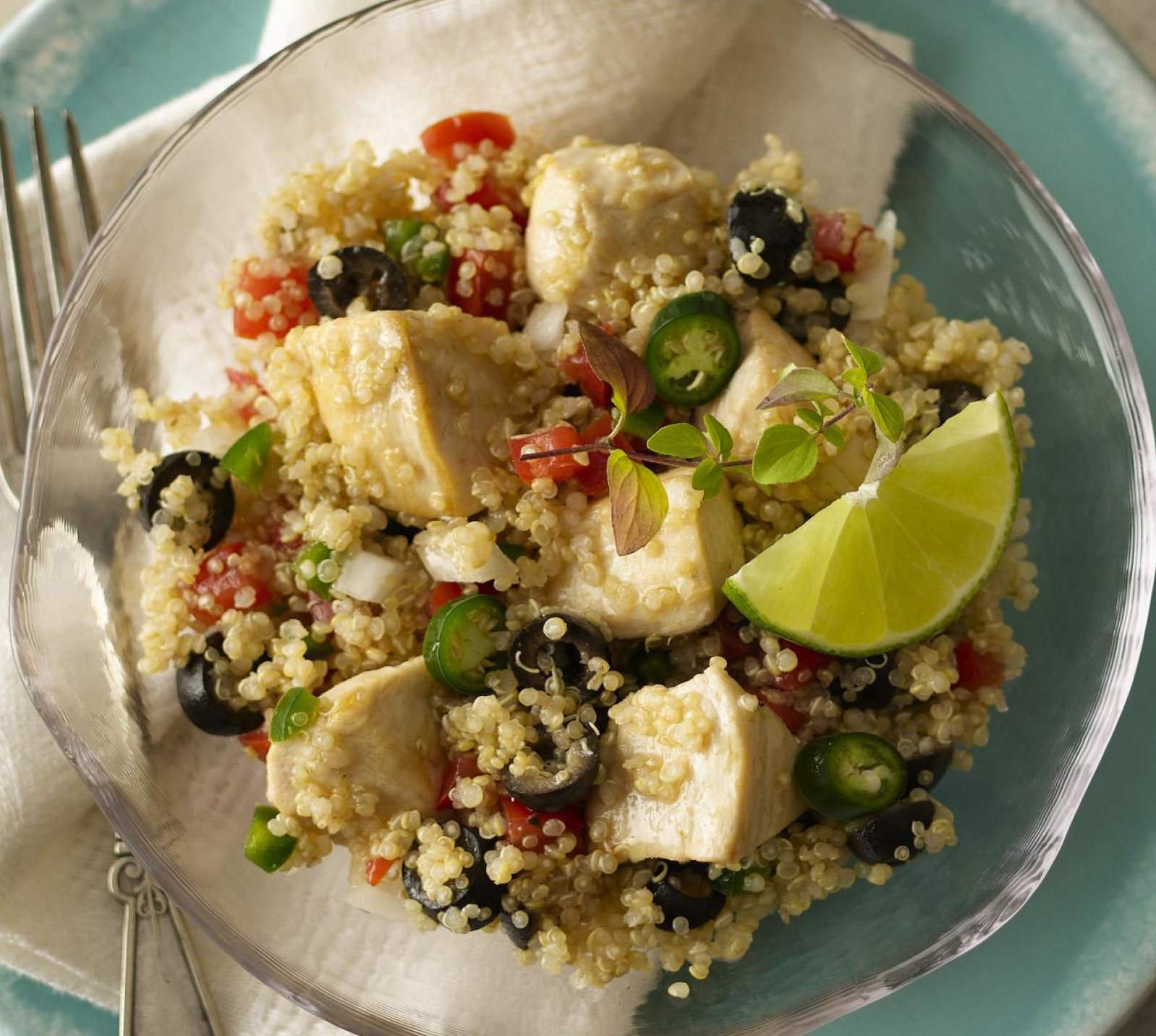
High-protein chicken meals do not have to be complicated. A few simple ideas include Pico de Gallo & Chicken Quinoa Salad, Spicy Chicken and Rice Bowls, or Barbecue Chicken Wraps. 

The bottom line is simple. Your workout does not end when the movement stops. Fueling with protein helps your body recover and move forward stronger. High protein Just Bare meals make refueling both effective and easy on active days. 

How Just Bare® Solves the Dreaded 
“What’s For Dinner?”

If you’ve ever opened the fridge at 5:30 pm and wondered how dinner became your responsibility again, you’re not alone. Nearly 85% of people struggle with deciding what to eat, night after night. The secret to stress-free weeknight meals is having a meal rotation built around one reliable, flexible foundation. That’s where Just Bare Chicken comes in!

The Real Problem with Meal Planning (and How to Fix It)

The biggest mistake people make with meal planning is trying to plan everything. New recipes every night. Too many ingredients. Too many decisions. A better approach?

Plan Less, Reuse More

A realistic meal rotation includes five to seven dinners, built around ingredients that can easily stretch across multiple meals. When Just Bare Chicken is at the center of your plan, variety comes from flavors and formats, not extra effort.

The Cook-Once → Remix All Week

Think of your meal rotation like a system, not a schedule. Here’s how it works:

1.

Start with Just Bare Fresh Chicken

2.

Prep it one time, using neutral seasoning

3.

Change the flavor, sauce, or 
cuisine throughout the week

Just Bare Chicken makes this easy because it’s minimally processed, versatile, and works across everything from comfort meals to lighter dinners.

Sample Week

Three different mix and match meal ideas with one step already taken care of.

Sun
PREP: Cook 2–3 lbs. of Just Bare Fresh Chicken
  • Half shredded
  • Half cubed
Mon
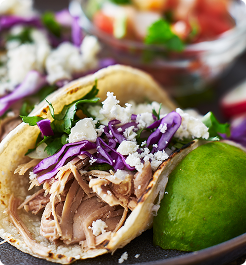
MEAL IDEA: Shredded chicken
tacos with a quick slaw
Tues
Wed
MEAL IDEA: Cubed chicken pasta with vegetables
Thu
Fri
MEAL IDEA: Chicken stir-fry using frozen veggies and a simple sauce
Sat

Why This Works (Without Getting Technical)

Building your rotation around Just Bare Chicken helps:

  1. Keep meals balanced with protein that satisfies
  2. Reduce last-minute takeout decisions
  3. Make weeknight dinners feel automatic instead of overwhelming

You don’t need perfect nutrition every night. What matters is consistency over time and creating a rhythm that works for real life. By anchoring your week around Just Bare Chicken, you simplify planning, save time, and make feeding yourself or your family feel less like a daily scramble and more like a habit you can stick with.

Macronutrients Made Simple: 
A Guide to Balanced Eating

Trying to eat healthier but overwhelmed by nutrition advice? Understanding macronutrients is your first step toward a smarter approach. What are Macronutrients? Key nutrients our body needs to function optimally: Protein, Carbohydrates, and Fats. From energy production and brain function to muscle repair, each macronutrient plays a unique role in our diet.

Protein

Protein is often called the building block of life—and for good reason. It’s made up of amino acids that help your body build muscle, repair tissue, support metabolism, and keep you feeling full. Protein can be found in both animal and plant-based foods.

There are two types of protein:

Animal-based Protein: chicken, beef, pork, fish. Cooking methods like grilling chicken can help retain its lean protein quality without adding excess fat. Always remember to cook chicken to the safe internal temp of 165°F for best results and food safety.

Plant-based Protein: lentils, beans, nuts, seeds, and some vegetables.

What is the difference between animal-based and plant-based protein?

Animal-based proteins are considered complete protein sources because they contain all nine essential amino acids. In contrast, plant-based proteins often need to be combined to form complete proteins.

If you’re wondering how to make chicken crispy without frying, try using an oven or air fryer—both help lock in flavor and create a satisfying crunch while keeping your meal lighter.

Fats

Fats do more than provide energy—they support vitamin absorption, hormone production, and brain health. Some, like omega-3s, are essential fatty acids your body can’t produce and must come from food.

Recently, there’s been a ton of controversy over fats. Before we go further, let’s separate fact from misconception.

“Fat makes you fat”

Although it’s the same word, fats are not the direct cause of weight gain. Excess calories of any macronutrient can lead to weight gain.

“All fats are bad”

There are two kinds of fats: saturated and unsaturated. Saturated fats tend to come from foods such as butter, which, when consumed in higher quantities, can lead to higher cholesterol and blood pressure. Conversely, unsaturated fats contain omega-3s and essential fatty acids our bodies can’t produce, so we must get them from food.

“Low-fat diets are healthier”

Fat is an essential nutrient that helps transport fat-soluble vitamins in our body. Low-fat diets also tend to substitute fat with foods high in sugar.

What are healthy fat sources?

  • Avocados
  • Nuts (peanuts, cashews, almonds, etc.)
  • Seeds (flaxseeds, pumpkin seeds, chia seeds, etc.)
  • Olive oil
  • Fish
  • Meat (chicken, beef, turkey, pork, etc.)
  • Dairy (milk, cheese, yogurt, etc.)

Carbohydrates

Carbohydrates are your body’s primary energy source, fueling everything from exercise and movement to brain function. They help preserve protein for muscle repair, and support digestion and metabolism—especially when rich in fiber.

What are great sources of protein that are low in carbs?

Lean proteins, which are naturally low in carbs, can give you the protein boost you’re looking for while keeping your carb intake in check.

Balanced Choices Made Simple

Combining these macronutrients—protein, carbs, and fats—helps keep your meals balanced and your body performing at its best. For a convenient way to hit your macro goals, frozen chicken is healthy when it’s made with clean, real ingredients. Just Bare chicken products are minimally processed, packed with high-quality protein, and designed to fit your balanced macro lifestyle.

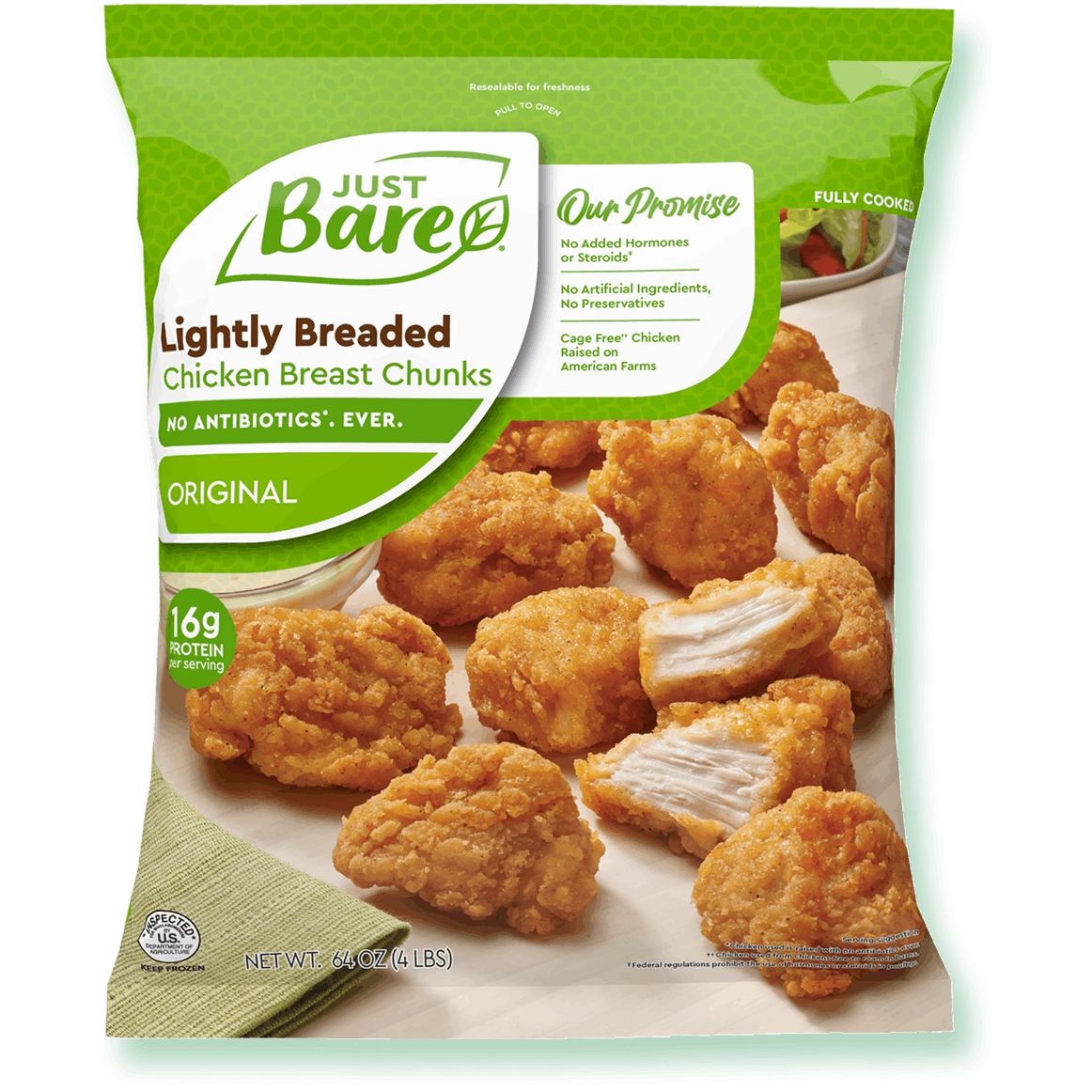
If you’re short on time, try our Just Bare Oven Roasted Chicken Breast Bites—they’re packed with 20 grams of protein per serving and just 4 grams of fat, including beneficial poly- and monounsaturated fats. They deliver the flavor and texture you crave, making them one of the healthiest frozen chicken nuggets available for quick meals or snacks.

Whether you’re focused on macros, meal prep, or just plain great taste, Just Bare makes it easy to eat smarter without sacrificing flavor or quality.

* Chicken used is raised with no antibiotics ever.
† Federal regulations prohibit the use of hormones or steroids in poultry.
‡ Chickens are free to roam in barns

Fire Up the Grill: Why Just Bare® ChickenBelongs at Your Summer BBQ

The sun is out, the days are long, and the smell of grilled food is officially in the air—it’s BBQ season! Time to grab your favorite apron, round up the family and friends, and fire up the grill for a meal that’s equal parts delicious and memorable.

At Just Bare, we know there’s nothing quite like the sound of sizzling chicken hitting a hot grill. Whether you’re serving up tender, juicy chicken thighs, perfectly grilled chicken breast fillets, or crowd-pleasing drumsticks and wings, our chicken was made for moments like these.

But here’s the best part: Just Bare isn’t just tasty—it’s a feel-good food choice, too. We are committed to our promise. Our chicken is always made with no artificial ingredients or preservatives*, no added hormones or steroids*, and no antibiotics ever*. That means you can feed your crew high-quality protein that checks all the boxes: wholesome, flavorful, and ready for the grill.

So… Why Is Grilled Chicken So Irresistible?

We’ve got two words for you: Maillard reaction. It’s the natural browning process that happens when the amino acids in the meat react with sugars under high heat. The result? That rich, golden-brown crust, the savory aroma, and the deep, crave-able flavor you can’t get enough of. That’s the magic of grilled chicken.

More Than a Meal—It’s a Summer Staple

Whether you’re tossing it on a salad, building the ultimate chicken sandwich, or serving it straight off the grill with a side of corn on the cob, Just Bare Chicken is a delicious foundation for any summer meal. And if you’re in need of some fresh ideas, we’ve got you covered—check out our collection of Summer BBQ Recipes for some ideas to wow your guests!

So go ahead—make this summer’s grill game your best yet. With Just Bare Chicken on the menu, it’s bound to be delicious.
Pro Tips for Grilling Your 
Just Bare Chicken

Tip #1: Flatten the entire chicken to ½–¾ inch thick with meat mallet or rolling pin.
Why:Easier to cook chicken evenly.
 
Tip #2: Prep chicken in advance using ingredients like lemon or lime juice, oil, vinegar, seasoning, spices, honey, pepper, and salt to taste.
Why: Enhance the flavor and boost the moisture.
 
Tip #3: Use a digital thermometer.
Why: Ensures the thickest part of your meat reached 165°F (74°C) to avoid foodborne illness.
 
Tip #4: After grilling, cover chicken loosely with foil and rest for 5-10 minutes.
Why: Allows juices to redistribute and reabsorb into the meat for a juicier, more flavorful bite.

Get out there and start grilling! This summer just got a whole lot tastier!

Where to Buy – Just Bare Foods

.kadence-column21253_e7e990-c6 > .kt-inside-inner-col,.kadence-column21253_e7e990-c6 > .kt-inside-inner-col:before{border-top-left-radius:0px;border-top-right-radius:0px;border-bottom-right-radius:0px;border-bottom-left-radius:0px;}.kadence-column21253_e7e990-c6 > .kt-inside-inner-col{column-gap:var(–global-kb-gap-sm, 1rem);}.kadence-column21253_e7e990-c6 > .kt-inside-inner-col{flex-direction:column;}.kadence-column21253_e7e990-c6 > .kt-inside-inner-col > .aligncenter{width:100%;}.kadence-column21253_e7e990-c6 > .kt-inside-inner-col:before{opacity:0.3;}.kadence-column21253_e7e990-c6{position:relative;}@media all and (max-width: 1024px){.kadence-column21253_e7e990-c6 > .kt-inside-inner-col{flex-direction:column;justify-content:center;}}@media all and (max-width: 767px){.kadence-column21253_e7e990-c6 > .kt-inside-inner-col{flex-direction:column;justify-content:center;}}
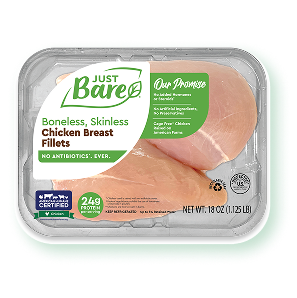
  • No Antibiotics*. Ever.
  • No Added Hormones or Steroids†
  • No Artificial Ingredients, No Preservatives
  • Cage Free Chicken Raised on American Farms‡
  • * Chicken used is raised with no antibiotics ever.
  • † Federal regulations prohibit the use of hormones or steroids in poultry.
  • ‡ Chickens are free to roam in barns.